Lymphadenitis
The lymphatic system filters fluid from around cells. It is an important part of the immune system. When people refer to swollen glands in the neck, they are usually referring to swollen lymph nodes. Common areas where lymph nodes can be easily felt, especially if they are enlarged, are: the groin, armpits (axilla), above the clavicle (supraclavicular), in the neck (cervical), and the back of the head just above hairline (occipital).
Also known as: Lymph node infection, Lymph gland infection or Localized lymphadenopathy
- Swollen, tender, or hard lymph nodes
- Red, tender skin over lymph node
- Antibiotics to treat any underlying infection
- Analgesics (pain killers) to control pain
- Anti-inflammatory medications to reduce inflammation and swelling
- Cool compresses to reduce inflammation and pain
- Abscess formation
- Cellulitis (a skin infection)
- Sepsis (generalized or bloodstream infection)
- Fistulas (seen in lymphadenitis that is due to tuberculosis)
Definition
Lymphadenitis is an infection of the lymph nodes (also called lymph glands). It is a common complication of certain bacterial infections.
Causes, incidence, and risk factors
The lymph system is a network of organs, lymph nodes, lymph ducts, and lymph vessels (or channels) that produce and move a fluid called lymph from tissues to the bloodstream. For more information on this part of the body, see lymph system.
The lymph glands, or nodes, are small structures that filter the lymph fluid. There are many white blood cells in the lymph nodes to help fight infection.
Lymphadenitis occurs when the glands become enlarged by inflammation, usually in response to bacteria, viruses, or fungi. The swollen glands are usually found near the site of an underlying infection, tumor, or inflammation.
Lymphadenitis may occur after skin infections or other bacterial infections, particularly those due to streptococcus or staphylococcus. Sometimes it is caused by rare infections such as tuberculosis or cat scratch disease (Bartonella).
Symptoms
Lymph nodes may feel rubbery if an abscess has formed.
Signs and tests
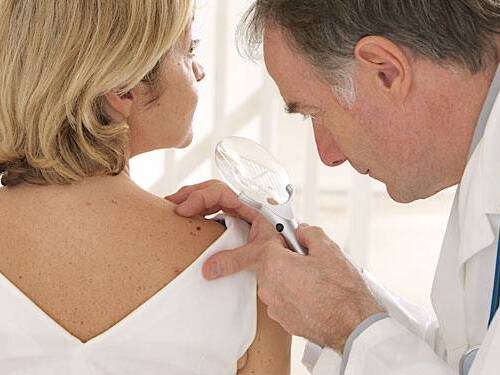
The health care provider will perform a physical exam, which includes feeling your lymph nodes and looking for signs of injury or infection around any swollen lymph nodes.
A biopsy and culture of the affected area or node may reveal the cause of the inflammation. Blood cultures may reveal spread of infection to the bloodstream.
Treatment
Lymphadenitis may spread within hours. Treatment should begin promptly.
Treatment may include:
Surgery may be needed to drain any abscess.
Expectations (prognosis)
Prompt treatment with antibiotics usually results in complete recovery, though it may take weeks, or even months, for swelling to disappear. The amount of time until recovery occurs will vary depending on the underlying cause.
Complications
Calling your health care provider
Call your health care provider or go to the emergency room if you have symptoms of lymphadenitis.
Prevention
Good general health and hygiene are helpful in the prevention of any infection.
References
Armitage JO. Approach to the patient with lymphadenopathy and splenomegaly. In: Goldman L, Ausiello D, eds. Cecil Medicine. 23rd ed. Philadelphia, Pa: Saunders Elsevier. 2007: chap 174.- Review date:
- May 30, 2009
- Reviewed by:
- David C. Dugdale, III, MD, Professor of Medicine, Division of General Medicine, Department of Medicine, University of Washington School of Medicine; Jatin M. Vyas, MD, PhD, Assistant Professor in Medicine, Harvard Medical School, Assistant in Medicine, Division of Infectious Disease, Department of Medicine, Massachusetts General Hospital. Also reviewed by David Zieve, MD, MHA, Medical Director, A.D.A.M., Inc.
Copyright Information
A.D.A.M., Inc. is accredited by URAC, also known as the American Accreditation HealthCare Commission (www.urac.org). URAC's accreditation program is an independent audit to verify that A.D.A.M. follows rigorous standards of quality and accountability. A.D.A.M. is among the first to achieve this important distinction for online health information and services. Learn more about A.D.A.M.'s editorial policy, editorial process and privacy policy. A.D.A.M. is also a founding member of Hi-Ethics and subscribes to the principles of the Health on the Net Foundation (www.hon.ch).The information provided herein should not be used during any medical emergency or for the diagnosis or treatment of any medical condition. A licensed medical professional should be consulted for diagnosis and treatment of any and all medical conditions. Call 911 for all medical emergencies. Links to other sites are provided for information only -- they do not constitute endorsements of those other sites. © 1997- 2008 A.D.A.M., Inc. Any duplication or distribution of the information contained herein is strictly prohibited.