Skin abscess
The skin is the largest organ of the body. The skin and its derivatives (hair, nails, sweat and oil glands) make up the integumentary system. One of the main functions of the skin is protection. It protects the body from external factors such as bacteria, chemicals, and temperature. The skin contains secretions that can kill bacteria and the pigment melanin provides a chemical pigment defense against ultraviolet light that can damage skin cells. Another important function of the skin is body temperature regulation. When the skin is exposed to a cold temperature, the blood vessels in the dermis constrict. This allows the blood which is warm, to bypass the skin. The skin then becomes the temperature of the cold it is exposed to. Body heat is conserved since the blood vessels are not diverting heat to the skin anymore. Among its many functions the skin is an incredible organ always protecting the body from external agents.
Also known as: Abscess - skin, Cutaneous abscess or Subcutaneous abscess
- A bacterial infection (often staphylococcus)
- A minor wound or injury
- Boils
- Folliculitis
- Fever or chills, in some cases
- Local swelling, hardening of tissue (induration)
-
Skin lesion
- Open or closed sore, domed nodule
- Red
- May drain fluid
- Tender and warm affected area
- Prevention of the proper functioning of nearby tissues
- Spread of infection around the same area or throughout the body
- Spread of infection through the bloodstream, causing:
- Abscess formation on the joints or other locations
- Endocarditis
- Many new abscesses ("seeding" of infection)
- Osteomyelitis
- Tissue death (gangrene)
- Drainage of any kind
- Fever
- Pain
- Redness
- Swelling
Definition
A skin abscess is a collection of pus and infected material in or on the skin.
Causes, incidence, and risk factors
Skin abscesses are fairly common. They occur when an infection causes pus and infected material to collect in the skin.
Skin abscesses may occur after:
Skin abscesses may occur anywhere on the body. They affect people of all ages.
Symptoms
Signs and tests
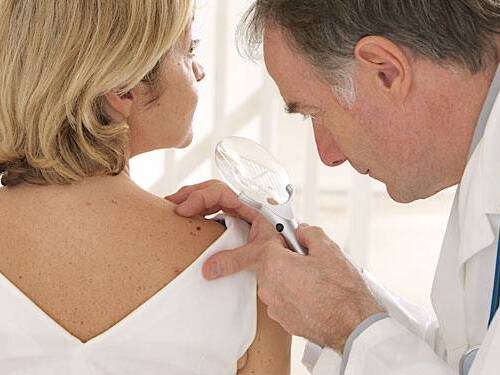
Your doctor can diagnose the condition based on the appearance of the area. A culture or examination of any drainage from the lesion may help identify what organism is causing it.
Treatment
Moist heat (such as warm compresses) may speed healing and may help a skin abscess drain. DO NOT push and squeeze on the abscess.
The doctor may cut open and drain the abscess, after placing some numbing medicine in the area. Packing material may be left in wound to help it heal and not close over again..
Antibiotics are given by mouth to control the infection.
Expectations (prognosis)
Most skin abscesses can be cured with proper treatment. More often now, the bacteria does not respond to regular antibiotics. This is called methicillin-resistant staph aureus (MRSA).
Complications
Calling your health care provider
Call for an appointment with your health care provider if you have any signs of skin infection, including:
Also call for an appointment if you develop new symptoms during or after treatment for a skin abscess.
Prevention
Prevent and watch for bacterial infections. Keep the skin around minor wounds clean and dry. Consult the health care provider if you develop signs of infection. Treat minor infections promptly.
References
Pasternack MS, Swartz MN. Cellulitis, necrotizing fasciitis, and subcutaneous tissue infections. In: Mandell GL, Bennett JE, Dolin R, eds. Principles and Practice of Infectious Diseases. 7th ed. Philadelphia, Pa: Elsevier Churchill Livingstone; 2009:chap 90.
Lowell GS, Daum RS. Staphylococcus aureus. In: Long SS, ed. Principles and Practice of Pediatric Infectious Diseases. 3rd ed. Philadelphia, Pa: Elsevier Churchill Livingstone; 2008:chap 115.
- Review date:
- October 10, 2010
- Reviewed by:
- Linda J. Vorvick, MD, Medical Director, MEDEX Northwest Division of Physician Assistant Studies, University of Washington, School of Medicine. Also reviewed by David Zieve, MD, MHA, Medical Director, A.D.A.M., Inc.
Copyright Information
A.D.A.M., Inc. is accredited by URAC, also known as the American Accreditation HealthCare Commission (www.urac.org). URAC's accreditation program is an independent audit to verify that A.D.A.M. follows rigorous standards of quality and accountability. A.D.A.M. is among the first to achieve this important distinction for online health information and services. Learn more about A.D.A.M.'s editorial policy, editorial process and privacy policy. A.D.A.M. is also a founding member of Hi-Ethics and subscribes to the principles of the Health on the Net Foundation (www.hon.ch).The information provided herein should not be used during any medical emergency or for the diagnosis or treatment of any medical condition. A licensed medical professional should be consulted for diagnosis and treatment of any and all medical conditions. Call 911 for all medical emergencies. Links to other sites are provided for information only -- they do not constitute endorsements of those other sites. © 1997- 2008 A.D.A.M., Inc. Any duplication or distribution of the information contained herein is strictly prohibited.