Scripps Health | Hospitals and Clinics in San Diego
Here for You
With online scheduling for access to primary care physicians, specialists and state-of-the-art facilities at more than 30 locations throughout San Diego County, we’re here for you.
Public Notice: Scripps Mercy Hospital Chula Vista and Scripps Mercy Hospital San Diego OB services consolidation. Learn more here.
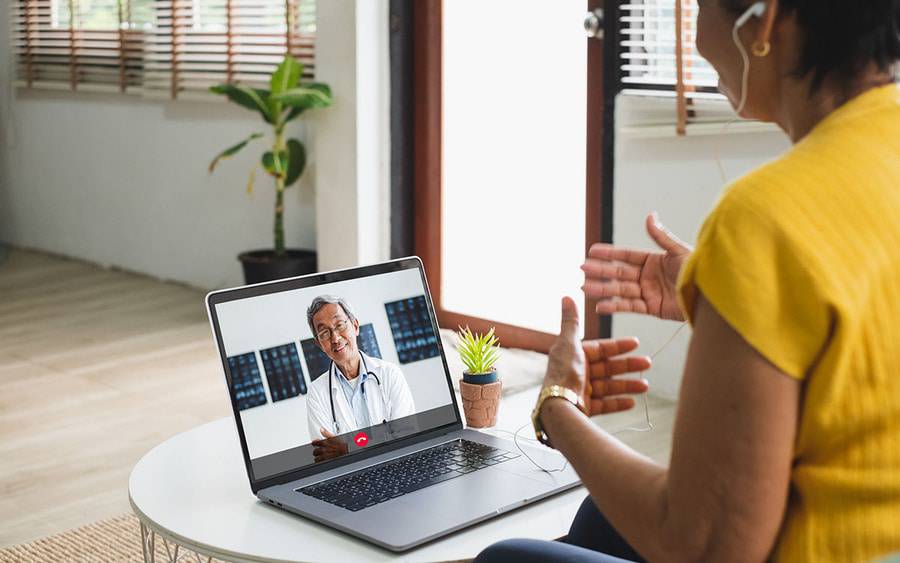
Virtual Care
If seasonal outdoor activities lead to minor injury, our telemedicine options quickly get your questions answered. Consider a Video Visit to talk with a doctor or nurse practitioner today.
News and Articles
View our latest news, videos and health tips
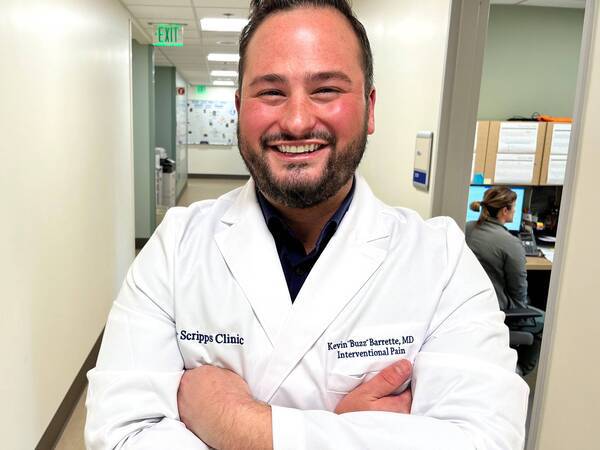
New Treatment Option for Low Back Pain Makes Headlines
A new minimally invasive procedure offers an alternative treatment to low back pain with BVN nerve ablation. Scripps expert explains the procedure.

Scripps Health Leaders Included in Becker’s List of Chief Medical Officers to Know in 2024
Anil Keswani, MD, and Ghazala Sharieff, MD, MBA, recognized for their innovative initiatives around patient care.
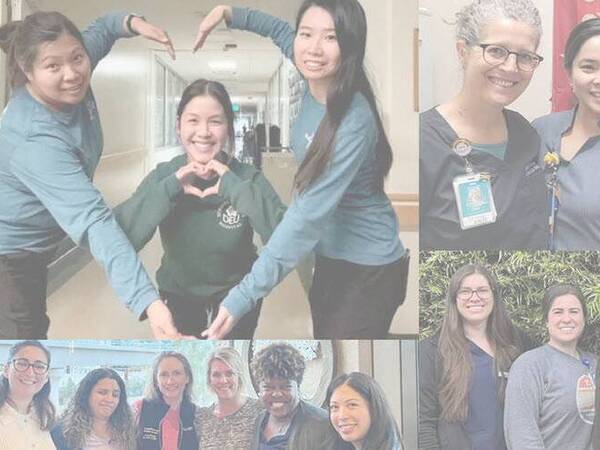
Fortune Names Scripps Health to Its 100 Best Companies List
Scripps makes national ranking for 16th time, only health system in California honored

Media Spotlight on Young Colorectal Cancer Survivor
Learn how Scripps helped San Diegan Corey Ziegler stave off colorectal cancer through a novel treatment.

What are the Most Common Heart Medications?
A guide to medications for people who've had heart attacks or are at risk of heart problems. Learn how they work and who may need them.

Coping With San Diego’s Year-Round Allergy Season
A Scripps allergist explains conditions that produce San Diego's never-ending allergy season and offers tips to keep symptoms under control.
Classes and Events
Attend webinars, events and support groups