Organic brain syndrome
The major areas of the brain have one or more specific functions.
Also known as: OBS, Organic mental disorder (OMS) or Chronic organic brain syndrome
- Brain injury caused by trauma
- Bleeding into the brain (intracerebral hemorrhage)
- Bleeding into the space around the brain (subarachnoid hemorrhage)
- Blood clot inside the skull causing pressure on brain (subdural hematoma)
- Breathing conditions
- Low oxygen in the body (hypoxia)
- High carbon dioxide levels in the body (hypercapnia)
-
Cardiovascular disorders
- Abnormal heart rhythm (arrhythmias)
- Brain injury due to high blood pressure (hypertensive brain injury)
- Dementia due to many strokes (multi-infarct dementia)
- Heart infections (endocarditis, myocarditis)
- Stroke
- Transient ischemic attack (TIA)
- Degenerative disorders
- Dementia due to metabolic causes
- Drug and alcohol-related conditions
- Alcohol withdrawal state
- Intoxication from drug or alcohol use
- Wernicke-Korsakoff syndrome (a long-term effect of excessive alcohol consumption or malnutrition)
- Withdrawal from drugs (especially sedative-hypnotics and corticosteroids)
- Infections
- Any sudden onset (acute) or long-term (chronic) infection
- Blood poisoning (septicemia)
- Brain infection (encephalitis)
- Meningitis (infection of the lining of the brain and spinal cord)
- Other medical disorders
- Cancer
- Kidney disease
- Liver disease
- Thyroid disease (high or low)
- Vitamin deficiency (B1, B12, or folate)
- Depression
- Neurosis
- Psychosis
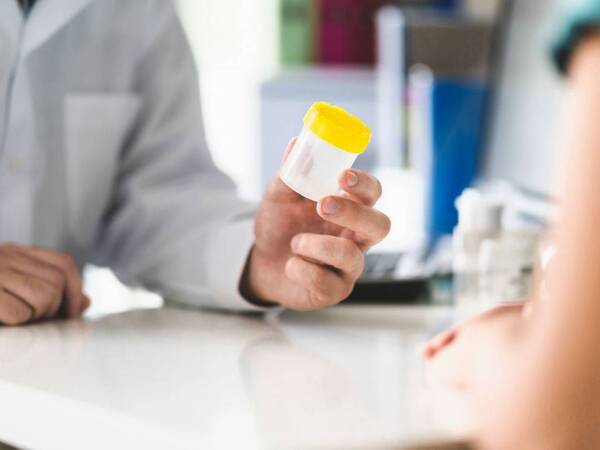
- Blood tests
- Electroencephalogram (EEG)
- Head CT scan
- Head MRI
- You have been diagnosed with organic brain syndrome and you are uncertain about the exact disorder.
- You have symptoms of this condition.
- You have been diagnosed with OBS and your symptoms become worse.
Definition
Organic brain syndrome (OBS) is a general term used to describe decreased mental function due to a medical disease, other than a psychiatric illness. It is often used synonymously (but incorrectly) with dementia.
Causes, incidence, and risk factors
Disorders associated with OBS include:
Other conditions that may mimic organic brain syndrome include:
Symptoms
Symptoms can differ based on the disease. In general, organic brain syndromes cause:
Signs and tests
Tests depend on the disorder, but may include:
Treatment
Treatment depends on the disorder. Many of the disorders are treated mainly with rehabilitation and supportive care to assist the person in areas where brain function is lost.
Medications may be needed to reduce aggressive behaviors that can occur with some of the conditions.
Expectations (prognosis)
See the specific disorder. Some disorders are short-term and treatable, but many are long-term or get worse over time.
Complications
People with OBS often lose the ability to interact with others or function on their own.
Calling your health care provider
Call your health care provider if:
References
Knopman DS. Alzheimer's disease and other dementias. In: Goldman L, Ausiello D, eds. Cecil Medicine. 23rd ed. Philadelphia, Pa: Saunders Elsevier;2007:chap 425.
- Review date:
- February 6, 2010
- Reviewed by:
- David C. Dugdale, III, MD, Professor of Medicine, Division of General Medicine, Department of Medicine, University of Washington School of Medicine; and Luc Jasmin, MD, PhD, Department of Neurosurgery at Cedars-Sinai Medical Center, Los Angeles, and Department of Anatomy at UCSF, San Francisco, CA. Review provided by VeriMed Healthcare Network. Also reviewed by David Zieve, MD, MHA, Medical Director, A.D.A.M., Inc.
Copyright Information
A.D.A.M., Inc. is accredited by URAC, also known as the American Accreditation HealthCare Commission (www.urac.org). URAC's accreditation program is an independent audit to verify that A.D.A.M. follows rigorous standards of quality and accountability. A.D.A.M. is among the first to achieve this important distinction for online health information and services. Learn more about A.D.A.M.'s editorial policy, editorial process and privacy policy. A.D.A.M. is also a founding member of Hi-Ethics and subscribes to the principles of the Health on the Net Foundation (www.hon.ch).The information provided herein should not be used during any medical emergency or for the diagnosis or treatment of any medical condition. A licensed medical professional should be consulted for diagnosis and treatment of any and all medical conditions. Call 911 for all medical emergencies. Links to other sites are provided for information only -- they do not constitute endorsements of those other sites. © 1997- 2008 A.D.A.M., Inc. Any duplication or distribution of the information contained herein is strictly prohibited.