
Breast Cancer: Why Early Detection Matters
Finding breast cancer early can improve treatment options and outcomes. A mammogram may detect cancer before symptoms appear, while knowing how your breasts normally look and feel can help you notice changes sooner. If something abnormal is found, additional testing can provide answers and guide treatment.
Knowing your risk, staying current with screening and reporting breast changes can make a meaningful difference.
More news categories
Email Newsletter Sign Up
Email Newsletter Sign Up
Join our monthly wellness journey! Get trusted health tips from experts, inspiring patient stories and exclusive videos from Scripps providers. Elevate your health with our newsletter. Sign up now!
Recent Articles
Vaccine Q&A: COVID-19, Flu and RSV
Vaccine Q&A: COVID-19, Flu and RSV
Prepare for the fall and winter respiratory illness season. Get vaccinated against COVID-19, flu and RSV. Vaccines are safe and effective.
How to Compare Health Plans During Open Enrollment

How to Compare Health Plans During Open Enrollment
Choosing health insurance? Learn what to compare during open enrollment, from total costs and networks to prescriptions and benefits.
How Do I Know if Scripps Is in My Health Plan?

How Do I Know if Scripps Is in My Health Plan?
Learn how to check whether Scripps doctors, hospitals and medical groups are in-network before you choose a health plan.
4 Flu Vaccine Myths Debunked: Get the Facts
4 Flu Vaccine Myths Debunked: Get the Facts
Can the flu shot give you the flu? Learn the truth about flu vaccine safety, effectiveness, side effects and protection.
When Should You Get Tested for Type 2 Diabetes?

When Should You Get Tested for Type 2 Diabetes?
Diabetes can develop without symptoms. Learn when to test, which blood tests are used and what your results may mean.
Is Creatine Safe for Your Kidneys?

Is Creatine Safe for Your Kidneys?
Creatine is generally safe for healthy adults but can affect kidney test results. Learn who should use caution and why.
Scripps Health Nationally Recognized For Digital Innovation
Scripps Health Nationally Recognized For Digital Innovation
Scripps Health has been recognized as one of the nation’s leading health systems for its use of digital technology to improve patient care and operations.
Scripps Heart Program Among Becker’s Top in the Nation for 2026
Scripps Heart Program Among Becker’s Top in the Nation for 2026
Scripps Health’s cardiology program has been recognized among the best in the nation by Becker’s Hospital Review.
2026 Top Doctors in San Diego
2026 Top Doctors in San Diego
Many Scripps Health physicians were named 2026 Top Doctors in San Diego Magazine’s annual Physicians of Exceptional Excellence survey.
Fortune Ranks Scripps Health as No. 1 U.S. Healthcare Workplace
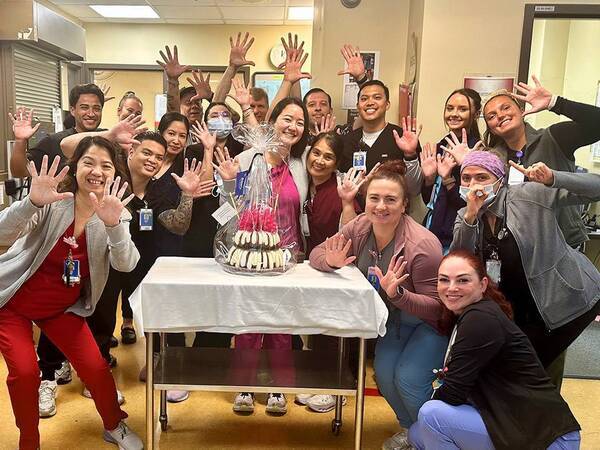
Fortune Ranks Scripps Health as No. 1 U.S. Healthcare Workplace
Great Place to Work and Fortune magazine have ranked Scripps Health No. 1 in the nation in the large employer category for Best Workplaces in Health Care.
KUSI Explores Breast Reconstruction Options After Mastectomy
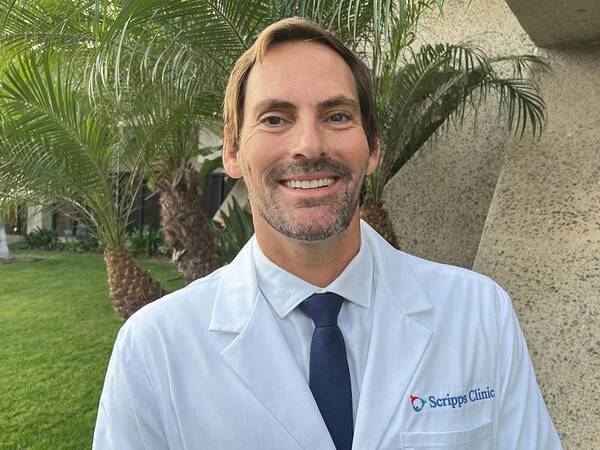
KUSI Explores Breast Reconstruction Options After Mastectomy
Chris Reid, MD, of Scripps Cancer Center, joined KUSI-TV to discuss women’s options for breast reconstruction after mastectomy.
Scripps Hospitals Earn Top Honors from Cal Hospital Compare
Scripps Hospitals Earn Top Honors from Cal Hospital Compare
Cal Hospital Compare (CHC) today announced its 2026 statewide honor roll for hospitals demonstrating leadership in substance use disorder (SUD) services.