Lung Cancer Lung Cancer
IMPORTANT: By completing this form, you agree to receive information from Scripps Health. Your privacy is important to us. Please read our Privacy Policy for more information.

Personalized care, led by lung cancer experts

Whether you're concerned about lung cancer symptoms, thinking about a screening or you're ready to explore treatment options, we're here to help. At Scripps Cancer Center, our physicians provide comprehensive care and clear guidance so you can feel confident in your next steps.

About lung cancer

Lung cancer is the second most common type of cancer among both men and women in the United States (not counting skin cancer). It’s also the leading cause of cancer deaths. According to the American Cancer Society, about 1 in 5 cancer deaths are from lung cancer. Men have a slightly higher chance of developing lung cancer than women. Scripps provides a full range of services to diagnose, treat and prevent lung cancer.

Find the right next step

Why choose Scripps

No two people share the same medical history, needs or lifestyle, so our cancer care teams build treatment plans with you at the center.


Your care team includes experienced lung cancer specialists, surgeons and other health professionals. A nurse navigator will also coordinate your care, support you and guide you with expertise and compassion.


We provide access to some of the country's most advanced cancer treatments. To learn more about how we treat lung cancer, visit our Why Scripps Cancer Center section.

Types of lung cancer

There are three main types of lung cancer. Each type has its own risk factors and treatment approaches.

About 85% of lung cancers are non-small cell lung cancer, making it the most common type of lung cancer. There are several subtypes of non-small cell lung cancer that start from different types of lung cells, but their prognosis and treatment are similar. The most common subtypes are adenocarcinomas, squamous cell carcinomas and large cell carcinomas.


Adenocarcinomas

Adenocarcinomas start in early versions of the cells that secrete substances (such as mucus) and represent about 40% of lung cancers. This subtype mainly affects current or former smokers, but is also the most common type of lung cancer in non-smokers. It affects more women than men, and is more common in young people than other types of cancer.


Squamous cell (epidermoid) carcinomas

Squamous cell carcinomas start in early versions of flat cells that line the airways in the lungs (called squamous cells). They make up about 25% to 30% of all lung cancers. Usually found in the central part of the lungs near a main airway, these cancers are often associated with a history of cigarette smoking.


Large cell carcinoma

Large cell carcinoma occurs anywhere in the lungs and makes up about 10% to 15% of lung cancers. It tends to grow and spread quickly. Large cell neuroendocrine carcinoma is a subtype of this cancer type.

Small cell lung cancer makes up 10% to 15% of lung cancers and is most commonly associated with cigarette smoking. There are two subtypes of small cell lung cancer: small cell carcinomas and combined small cell carcinomas.


Small cell carcinoma

Also known as “oat-cell” cancer, small cell carcinoma is called such because the cells look like oats under the microscope. It often starts in the airways of the lungs and quickly spreads.


Combined small cell carcinoma

Combined small cell carcinomas contain both small cell carcinomas and non-small cell carcinomas.

Lung carcinoid tumors, also called lung neuroendocrine tumors, make up fewer than 5% of lung cancers. They’re composed of neuroendocrine cells, which are found throughout the body and make hormones and similar substances. In the lungs, neuroendrocrine cells may help the lungs adjust to the amounts of oxygen and carbon dioxide a person breathes in. Usually, lung carcinoid tumors are slow-growing and rarely spread.

We're here to help

IMPORTANT: By completing this form, you agree to receive information from Scripps Health. Your privacy is important to us. Please read our Privacy Policy for more information.

Related news

Who Should Get a Lung Cancer Screening?
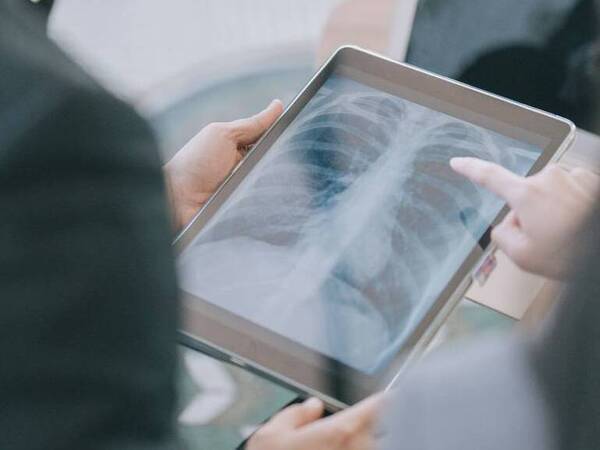
Who Should Get a Lung Cancer Screening?

Who Should Get a Lung Cancer Screening?

Adults 50 and older with a history of smoking may qualify for lung cancer screening. Learn the guidelines and benefits of early detection.

Nov 02

Media Spotlight on Lung Cancer Screening Program at Scripps
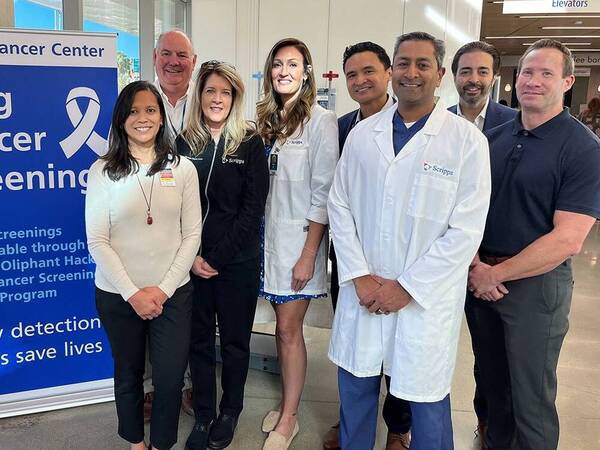
Media Spotlight on Lung Cancer Screening Program at Scripps

Media Spotlight on Lung Cancer Screening Program at Scripps

Multiple news outlets covered the Jana Oliphant Hackett Lung Cancer Screening Program at Scripps Cancer Center.

Nov 17

What Are Cancer Screenings Men Should Not Ignore?

What Are Cancer Screenings Men Should Not Ignore?

What Are Cancer Screenings Men Should Not Ignore?

Men should not ignore or delay cancer screenings, especially for prostate and colon cancers. Early detection saves lives.

May 22

Should You Get Genetic Testing for Breast Cancer Risk?

Should You Get Genetic Testing for Breast Cancer Risk?

Should You Get Genetic Testing for Breast Cancer Risk?

Women have a 1 in 8 chance of developing breast cancer. Early detection and knowing your family history are crucial. Learn when genetic testing can help.

Dec 16

Ex-Smoker Gets Lifesaving Lung Cancer Screening at Scripps

Ex-Smoker Gets Lifesaving Lung Cancer Screening at Scripps

Ex-Smoker Gets Lifesaving Lung Cancer Screening at Scripps

Dennis Higginbottom, 76, credits lung cancer screening at Scripps for saving his life. Scripps program has screened more than 1,000.

Nov 22

Lung Cancer Screening Program Featured on KUSI News

Lung Cancer Screening Program Featured on KUSI News

Lung Cancer Screening Program Featured on KUSI News

KUSI News interviewed Samir Makani, MD, about the lung cancer screening program to help in early detection and promote the related educational event.

Nov 05
View all