How to Prevent Common Holiday Injuries and Accidents
Avoid falls, burns and other common holiday accidents
Avoid falls, burns and other common holiday accidents
Key Takeaways
- Use ladders safely to prevent falls while decorating.
- Take steps to avoid holiday fires and burns.
- Drive sober and avoid distractions during holiday travel.
- Choose age-appropriate toys and protective gear for children.
- Recognize emergencies, know when to call 911.
The holidays are a time to celebrate with family and friends, but hanging decorations, cooking holiday meals and traveling can increase the risk of injuries.
According to the U.S. Consumer Product Safety Commission, about 15,000 people have been treated in emergency departments for holiday decorating-related injuries each season in recent years. Nearly half of these injuries involve falls.
“Many of the injuries we treat during the holidays are preventable,” says Walter Biffl, MD, Scripps Clinic trauma surgeon and medical director of trauma and acute care surgery at Scripps Memorial Hospital La Jolla. “Falls, burns and other mishaps can happen quickly, and some can cause serious injuries that require emergency care. A few simple precautions can make a difference.”
How can you prevent holiday injuries and recognize emergencies
1. Prevent falls while decorating
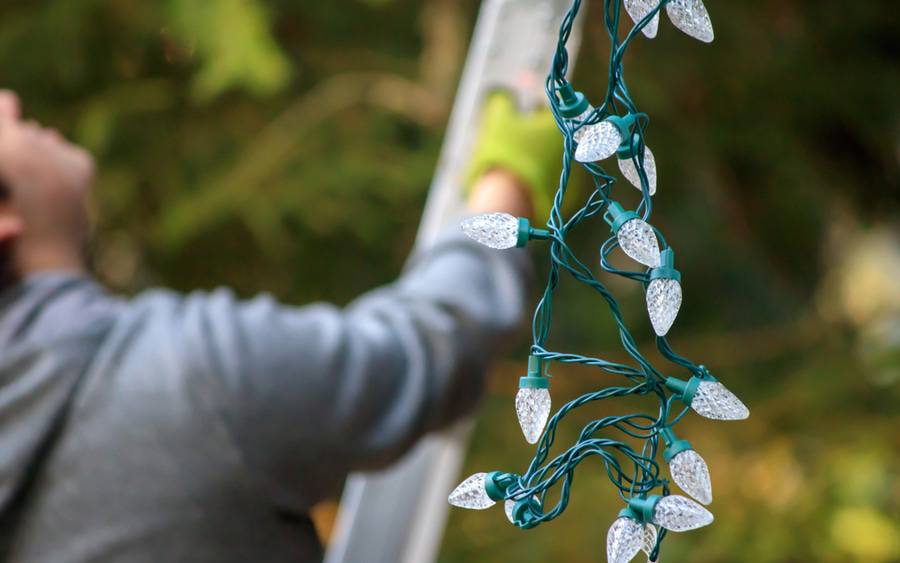
Falls are among the most common holiday decorating injuries. Hanging lights, placing decorations on roofs and reaching high surfaces can put people at risk, especially when using ladders.
“A fall doesn’t have to be from a great height to cause a serious injury,” Dr. Biffl says. “Depending on how someone lands, even a low-level fall can result in a fracture, head injury or damage to the spine. That’s why ladder safety is so important when decorating for the holidays.”
To reduce the risk of falls:
- Place ladders on firm, level ground and follow manufacturer’s instructions.
- Choose a ladder tall enough for the job. Never stand on the top steps or overreach.
- Maintain three points of contact when climbing, such as two hands and one foot or two feet and one hand.
- Keep your body centered between the ladder rails. Move the ladder instead of leaning sideways.
- Avoid climbing onto roofs when possible. Consider hiring a professional for hard-to-reach decorations.
2. Prevent holiday fires and burns
Candles, holiday lights, fireplaces and cooking can increase the risk of fires and burns. Simple precautions can help keep holiday celebrations safe.
To reduce the risk:
- Inspect holiday lights and electrical cords for damage before using them.
- Avoid overloading electrical outlets and extension cords.
- Never leave candles unattended and keep them away from curtains, decorations and other flammable materials.
- Stay in the kitchen when frying, grilling or broiling food.
- Keep live Christmas trees watered. If choosing an artificial tree, look for one labeled fire-resistant.
- If you’re deep-frying a turkey, use the fryer outdoors, away from buildings and other flammable materials.
Burns can range from minor injuries to serious emergencies. Seek immediate medical attention for deep or extensive burns, electrical burns and burns involving the face, hands, feet or genitals.
For minor burns, knowing the right first-aid steps can help prevent further injury and support healing.
3. Drive safely during holiday travel
Busy roads, crowded parking lots and holiday gatherings can increase the risk of traffic accidents during the holiday season. Alcohol and distracted driving can make travel especially dangerous.
“In trauma care, we see how quickly a moment of impaired driving can lead to devastating injuries,” Dr. Biffl says. “Alcohol affects judgment, coordination and reaction time, increasing the risk of a serious crash.”
If you plan to drink, arrange a designated driver or rideshare before the celebration. Allow extra travel time, follow speed limits and avoid distractions, such as texting while driving.
4. Protect children from holiday injuries
New toys, bikes and sports equipment are popular holiday gifts, but they can also lead to injuries without proper precautions.
Choose age-appropriate toys, follow manufacturer safety instructions and keep small parts away from children younger than 3 to reduce choking risks.
Children should wear properly fitted helmets when riding bicycles, scooters or skateboards. Supervise younger children and help them learn to use new equipment safely.
Electric bikes, or e-bikes, need extra precautions because they are heavier and can travel faster than traditional bicycles. Understanding e-bike safety risks can help parents make informed decisions before allowing children or teens to ride.
In California, riders must be at least 16 to operate a Class 3 e-bike, and helmets are required for all Class 3 riders. Riders younger than 18 must wear helmets on Class 1 and Class 2 e-bikes. Some cities have additional age restrictions. For example, San Diego prohibits children younger than 12 from riding e-bikes.
Before allowing children or teens to ride, check the e-bike’s classification, review local traffic rules and make sure they know how to operate it safely. Have them practice in a safe area before riding on roads or bike paths.
5. Recognize heart attack warning signs
Not all holiday emergencies involve accidents. The holiday season also brings an increased risk of heart-related emergencies.
According to the American Heart Association, more cardiac deaths occur on Dec. 25 than any other day of the year, followed by Dec. 26 and Jan. 1.
The reasons aren’t fully understood, but holiday stress, changes in eating and drinking habits and delays in seeking medical care may contribute.
Taking steps to protect your heart health during the holidays can help reduce health risks. It’s also important to recognize the warning signs of a heart attack.
Heart attack warning signs can include:
- Chest pain, pressure or discomfort
- Shortness of breath
- Cold sweats and nausea
- Pain or discomfort in the arms, back, neck or jaw
Symptoms can vary. Some people have a heart attack without significant chest pain.
If you or someone else has possible heart attack symptoms, call 911 immediately. Don’t wait for symptoms to improve or until the holidays are over to seek help.
Where to seek care for holiday injuries
Even with precautions, accidents can happen. Knowing where to seek care can help you get the right treatment without unnecessary delays.
“Some injuries may appear minor at first but can be more serious than they seem,” Dr. Biffl says. “Head injuries, for example, may not cause obvious symptoms right away. Recognizing altered consciousness and seeking timely medical care can help prevent complications.”
Depending on the type and severity of your injury, Scripps offers several options for getting the care you need.
Scripps HealthExpress: For minor injuries, such as small cuts, minor burns and mild sprains.
Scripps urgent care: For injuries that need prompt attention but are not life-threatening, such as cuts requiring stitches, more painful sprains and certain minor fractures.
Scripps emergency departments: For serious injuries, such as severe burns, significant head injuries, major fractures and bleeding that won’t stop.
If you or someone else has a life-threatening injury, signs of a heart attack, loss of consciousness or another medical emergency, call 911 immediately.