Stay Safe at the Beach During King Tides
Extreme high tides can flood beaches, roads and coastal areas
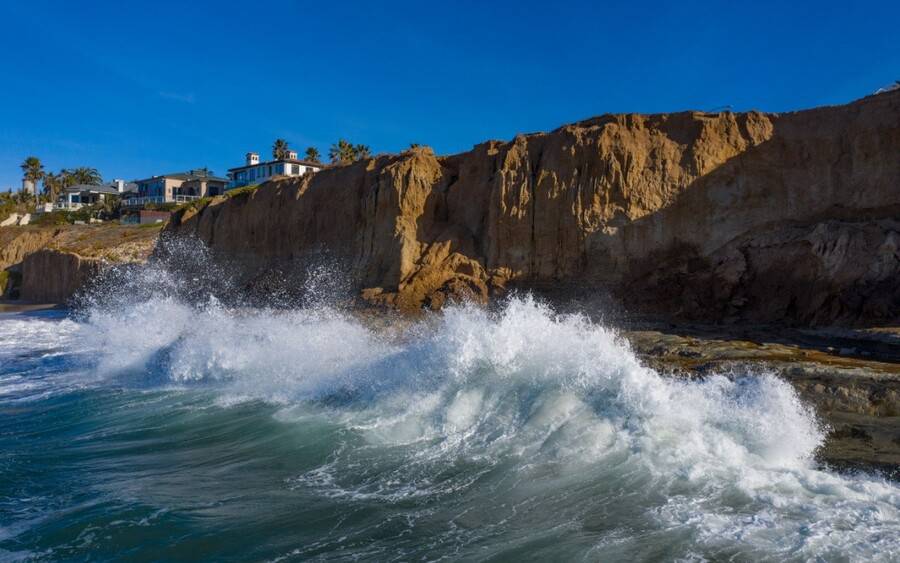
Extreme high tides can flood beaches, roads and coastal areas
Southern California will ring in the new year with some of the highest coastal tides of the winter—and that means taking precautions if you’re planning to visit the beach.
Caused primarily by the gravitational pull of the moon, tides are the natural rise and fall of ocean water levels throughout the year. During low tides, lower water levels expose wider stretches of beach sand and sea floor. Conversely, high tides cover much of the shoreline with water.
King tides are the highest tides of the year. They happen a few times annually when the sun, moon and Earth align to produce a very strong gravitational pull. These tides create extremely high water levels that reach much farther inland than usual. In Southern California, high tides are typically 4-5 feet; king tides can exceed 7 feet.
Moreover, king tides can bring large, powerful waves, especially if they occur during rain or storms. They topple seawalls, flood low-lying coastal roads and neighborhoods and even sweep people off jetties or rocks into the ocean.
The first king tides of 2026 will hit Southern California beaches on January 2 and 3. While they can be fascinating to see, it’s vital to understand the risks of getting too close to the waves or being caught in a potentially dangerous area.
“King tides take people by surprise with their size and power, and can cause severe injuries,” says Walter Biffl, MD, trauma medical director at Scripps Memorial Hospital La Jolla. “If you’re going to be near the beach, take steps to keep yourself and your family safe.”
Take the following safety precautions if you’ll be along the coast during king tides:
1. Follow surf and weather advisories
King tides and big surf create dangerous conditions for surfers, swimmers and boaters. Pay attention to surf advisories and coastal hazard warnings. At the coast, obey all cones, caution tape and closure signs.
2. Check tide charts before going to the coast
If you’re planning a beach or walk or taking photos along the coast, avoid visiting at high tide or when the tide is rising. Check local tide charts first and go when the tide is lower.
3. Stay well away from the shoreline at high tide
Avoid standing on rocks, seawalls or cliffs near the ocean during king tides, as powerful waves can appear without warning and sweep people (and their dogs) into the sea.
To make matters worse, king tides can increase rip currents, making it more difficult to get out of the water if you do get pulled in. Waves can vary in size, so even if most waves aren’t hitting the rocks, a sudden surge may sneak up on you before you can move to safety.
4. Avoid driving and parking in flooded areas
King tide waves can flood roads, hiding hazards like floating debris and making it impossible to control your vehicle. Even low levels of saltwater can damage your engine or electrical systems. Don’t risk it. If water covers the road, turn around.
5. Protect property near the coast
If you live near the coast, prepare for possible flooding. Place sandbags along flood-prone areas and secure patio furniture and loose items. Move vehicles and electric bicycles to higher ground.
Stay safe during low tide, too
While king tides cause extreme high tides, they also cause extreme negative low tides that expose tide pools and sea floor that are usually submerged. This can make for great beach walks and tide pooling.
Be sure to wear sturdy, closed‑toe or non‑slip shoes; tide pools and rocky platforms are slick, uneven and can conceal holes or sharp organisms, increasing fall and laceration risk. Move slowly, keep hands free and avoid climbing on logs or unstable rocks, which can roll when undercut by waves or moving water. Avoid disturbing marine life and don’t handle any animals, fish or plants.
Even at low tide, never turn your back on the ocean. Rogue waves are common during king tides because “sneaker waves” can surge much farther up the beach than expected. Stay alert, especially when exploring tide pools or beaches near the surf zone.
“The coast is one of the most beautiful and enjoyable features of San Diego, but it can be dangerous, especially during high tides,” says Dr. Biffl. “Be aware of the risks and make safety a priority in every activity.”