As seen in San Diego Health Magazine
Mai Vue recovers after delivery with Scripps fourth trimester care
Scripps’ Fourth Trimester program supports new moms after high-risk pregnancy. Mai Vue shares her recovery story.
Postpartum care helps new mothers recover after challenging deliveries
Postpartum care helps new mothers recover after challenging deliveries
Mai Vue was just 34 weeks pregnant when her body told her it was time to deliver. Her pregnancy was complicated. Along with being diagnosed with gestational diabetes and hypertension, she’d had a recent second-trimester pregnancy loss — all of which put her and her unborn baby at high risk of complications.
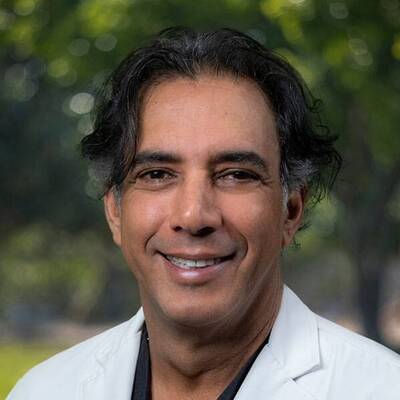
These factors resulted in Mai receiving specialized care from Sean Daneshmand, MD, a perinatologist at Scripps Clinic, who oversees high-risk pregnancies like hers. Dr. Daneshmand, medical director of the Scripps Clinic Maternal-Fetal Medicine Program, and his colleagues are specially trained in providing comprehensive care for pregnant women with conditions like hypertension, diabetes, obesity and cardiac health conditions, which, says Dr. Daneshmand, all continue to be on the rise.
“All of these are risk factors that increase pregnancy and childbirth complications,” he says.
High-risk pregnancy requires specialized care
Elevated blood pressure can restrict the baby’s access to nutrients, increasing the risk of poor growth and early delivery. High blood sugar — associated with diabetes — can cause the baby to grow larger, particularly around the chest and abdomen, increasing the risk of delivery complications. Obesity, Dr. Daneshmand explains, can compound those risks by contributing to both high blood pressure and larger birth weight.
“Mai had a history of all of these risk factors, which meant she needed to be watched very closely,” he says.
For Mai, who lost her first pregnancy after four months, being “watched very closely” started even before she got pregnant the second time. Already under Dr. Daneshmand’s care since her first pregnancy, Mai and her husband, Richard, trusted him from the start.
“We got really close to him during my first pregnancy,” Mai says.
After she was diagnosed with a short cervix early in that pregnancy, Dr. Daneshmand performed a cerclage — a procedure to stitch the cervix in an attempt to hold the pregnancy longer. A few weeks later, Mai started bleeding.
“We found out the cerclage was bursting, and I had to give birth very early,” she says. “Our baby was so young and unable to breathe, and he passed away.”
Determined to grow their family, Mai and Richard continued to work with Dr. Daneshmand to reduce the risk of complications in her next pregnancy.
“We met with him, and he told us how to prepare my body and what to do to keep me healthy,” Mai says. “I got pregnant again via in vitro fertilization in September 2024.”
Efforts to keep Mai and her baby healthy intensified.
“We met with Dr. Daneshmand regularly throughout the second pregnancy,” she says. “I had gestational diabetes and hypertension again, but this time, I had a dietitian to help me. Dr. Daneshmand had me check my blood pressure twice a day and send it to him weekly. He also recommended exercise and weight training as beneficial for me and the baby, so I was doing a lot of walking.”
Despite all her hard work and support from Dr. Daneshmand and his team, Mai developed preeclampsia — a high blood pressure disorder that puts mom and baby in danger — and had to deliver at 34 weeks.
On May 1, 2025, Mai and Richard’s healthy baby girl, Athena, was born via C-section at Scripps Memorial Hospital La Jolla.
“The birth went very well, but Athena was six weeks early, so she was having a hard time breathing,” Mai recalls. “She was taken to the neonatal intensive care unit (NICU) and she recovered well. She spent about two weeks in the NICU before she was discharged, and she’s been healthy ever since.”
What is the fourth trimester?
While Athena’s birth could have marked the end of Mai’s relationship with Dr. Daneshmand, her care continued thanks to a program Scripps launched in October 2024 to provide support to new moms in the weeks and months after delivery.
The postpartum program, known as Scripps Health’s Fourth Trimester Continuum of Care, provides care for women with high-risk pregnancies to optimize their health after childbirth and reduce the risk of complications in future pregnancies.
“The program was created in response to an increase in physical and mental health issues affecting pregnant women due to rising chronic health conditions,” Dr. Daneshmand explains.
“We know that when a mom delivers, the focus immediately goes to the baby, and she often neglects herself,” he says. “This program is the postpartum health care equivalent of putting on your own oxygen mask before you help others soon after birth.”
Why postpartum monitoring matters
Why postpartum monitoring matters
Typically, after a delivery, mothers are seen by their physician once or twice. The fourth trimester program at Scripps amplifies that, especially for women like Mai, who need to continue to keep their blood pressure in check.
Dr. Daneshmand emphasizes that postpartum women deserve holistic care that continues beyond pregnancy and delivery.
“With rising chronic health conditions, obstetricians recognize the importance of working closely with our patients’ primary care physicians, so there’s no gap in care. Together, we can work to optimize their health,” he says.
Dr. Daneshmand notes that the Fourth Trimester program is the result of collaboration between Scripps Clinic and Scripps Coastal Medical Center to make sure women’s health is supported while also caring for their babies.
“Within an eight-week period after a woman gives birth, she is seen by her primary care physician to make sure her medications are being adjusted; to make sure she’s managing her diet, stress levels and anxiety; and working to improve her overall health,” he says. “This is so important, not only for her subsequent pregnancies, but also for her longevity and health span.”
For Mai, the Fourth Trimester program meant continued at-home blood pressure checks and check-ins, visits with her physicians and continued support to keep herself healthy while she cared for baby Athena.
“After Athena came home and I had my first follow-up appointment, my blood pressure was still pretty high — preeclampsia symptoms can continue for 12 weeks postpartum — and I was still taking medication,” Mai says. “I continued to monitor my blood pressure and send the reports to my primary care physician and Dr. Daneshmand.”
Mai’s husband, Richard, was reassured by the ongoing support.
“Dr. Daneshmand said, ‘Even though you’re out of my care, we will still be in contact.’ Everything we did with our primary care doctor, we also did with Dr. Daneshmand. It was so gracious of him to keep in contact with us and answer any questions we had along the way.”

Shahram Daneshmand, MD, Scripps Clinic, walks with the Vue family at Scripps Memorial Hospital La Jolla.
Preparing for a healthy next pregnancy
As Mai and Richard plan for more children in the future, they look forward to continuing care with Scripps and Dr. Daneshmand and the perinatology team.
“The whole Scripps team helped us out so much along the way,” Mai says. “We still want Dr. Daneshmand to be by our side. Even though I already went through a healthy birth, it’s good that he will be there with us in the future.”
Richard wholeheartedly agrees.
“We told Dr. Daneshmand that this relationship between doctor and patient has really bloomed and has become more like a family,” he says. “We could never find anyone better than him and Scripps. It’s been an amazing journey.”

This content appeared in San Diego Health, a publication in partnership between Scripps and San Diego Magazine that celebrates the healthy spirit of San Diego.
Related Medical Services
Obstetrics and Gynecology (OB-GYN)

Obstetrics and Gynecology (OB-GYN)
Find an OB-GYN in San Diego at Scripps Health. Services include obstetrics-gynecology, childbirth care, breastfeeding, breast care, incontinence and more.
Perinatology

Perinatology
Experts in high-risk pregnancy, Scripps perinatologists manage common and rare complications, such as diabetes, preeclampsia and placenta accreta.
Related Locations
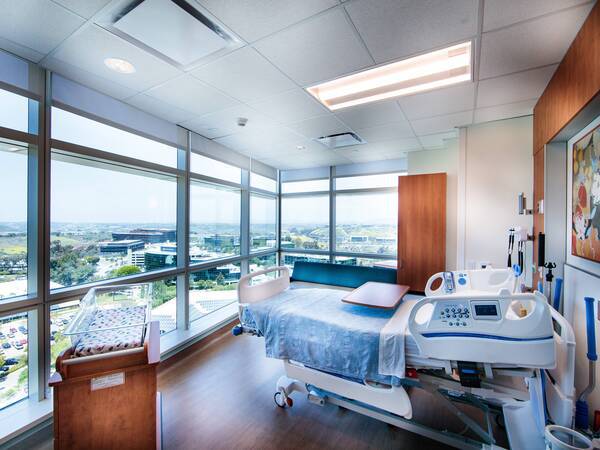

Scripps Clinic Carmel Valley

Scripps Clinic Carmel Valley
3811 Valley Centre Dr.
San Diego, CA 92130
Scripps Clinic Hillcrest
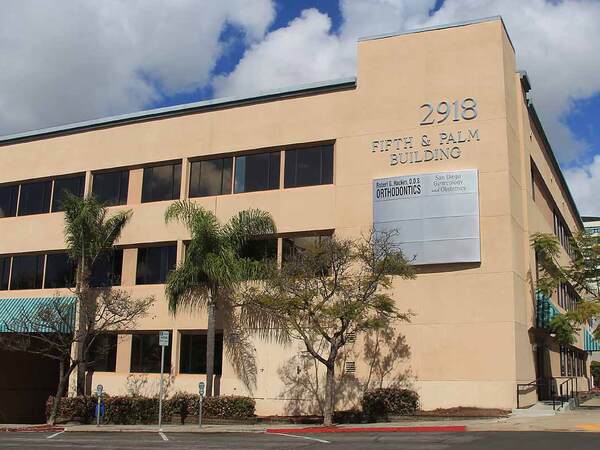
Scripps Clinic Hillcrest
2918 Fifth Ave. Suite 100
San Diego, CA 92103

Scripps Clinic La Jolla - Genesee Executive Plaza

Scripps Clinic La Jolla - Genesee Executive Plaza
9333 Genesee Ave Suite 170
San Diego, CA 92121
Related Providers