West Nile Virus Prevention During Mosquito Season
Learn how West Nile virus spreads, symptoms to watch for and simple ways to prevent mosquito bites
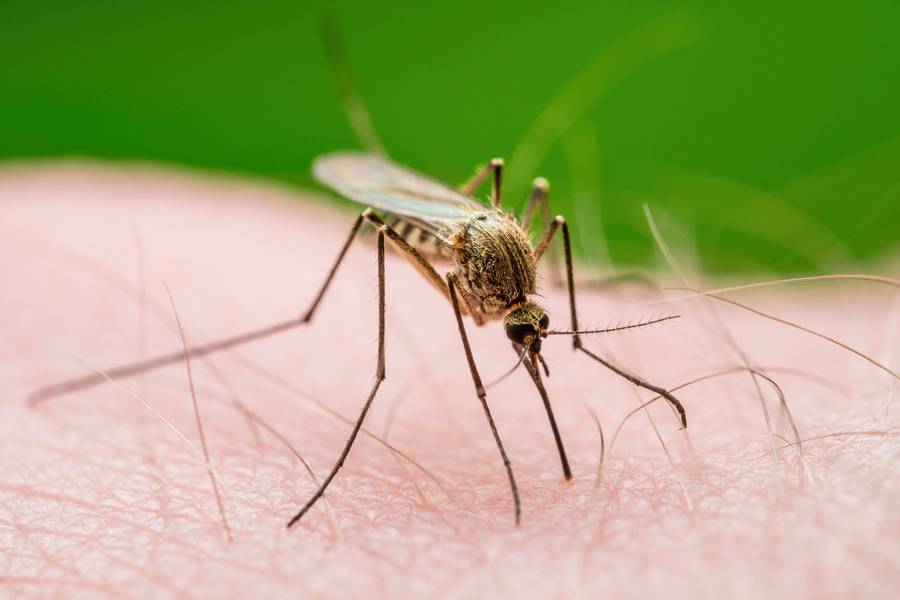
Learn how West Nile virus spreads, symptoms to watch for and simple ways to prevent mosquito bites
Key Takeaways:
- West Nile virus spreads through bites from infected mosquitoes.
- Most West Nile virus infections cause no symptoms or mild illness.
- Severe symptoms include high fever, confusion, weakness and balance problems.
- Prevent West Nile virus by using repellent and eliminating standing water.
Mosquito season is underway in San Diego County, and West Nile virus has been detected locally in mosquitoes, birds and people. While the virus deserves attention, the risk of serious illness remains low for most people, and a few simple precautions can help reduce your chances of getting sick.
"Most people can lower their risk by taking a few simple precautions to avoid mosquito bites," says Jackie Lui, DO, a family medicine physician with Scripps Coastal Medical Center San Marcos.
How is West Nile spread?
West Nile virus is the most common mosquito-borne disease in the United States. People get it after being bitten by an infected mosquito.
Mosquitoes become infected after feeding on birds that carry the virus. They can then spread it to people through mosquito bites. West Nile virus is not spread through casual contact with another person.
In California, West Nile virus activity rises during the summer and usually peaks in August and September, when mosquitoes are most active.
Is West Nile virus in San Diego?
Yes. West Nile virus is found in San Diego County most years during mosquito season. Local public
health officials watch mosquito populations, test dead birds for the virus and track human cases to find where the virus is circulating.
The presence of West Nile virus in the county does not mean most people will get sick.
"Most people who become infected with West Nile virus won't get sick at all," says Dr. Lui. "About 20% develop a mild flu-like illness, while only a small percentage experience serious complications affecting the brain or nervous system, such as meningitis or encephalitis."
What are West Nile virus symptoms?
If symptoms develop, they usually appear two to 14 days after the bite of an infected mosquito.
Most people who get sick have mild symptoms, such as:
- Fever
- Headache
- Body aches
- Fatigue
- Nausea
- Vomiting
- Skin rash
These symptoms often improve on their own with rest and fluids.
When should you see a doctor?
Although serious illness is uncommon, it is important to know the warning signs.
Seek medical care right away if you experience:
- A high fever
- A stiff neck
- Confusion or disorientation
- Vision changes
- Significant muscle weakness
- Difficulty walking or maintaining balance
These symptoms may indicate the virus has affected the brain or nervous system and require prompt
medical evaluation.
“Older adults and people with weakened immune systems are at the greatest risk for severe illness,
although anyone can develop serious complications,” says Dr. Lui.
How can you protect yourself from West Nile virus?
The best way to prevent West Nile virus is to avoid mosquito bites.
Dr. Lui recommends these simple steps:
- Use an EPA-registered insect repellent whenever you're outdoors.
- Wear long sleeves and pants when practical, especially during dawn and dusk when mosquitoes are most active.
- Eliminate standing water around your home by emptying flowerpots, buckets, birdbaths and other containers where mosquitoes breed.
- Keep swimming pools properly maintained.
- Repair damaged window and door screens to help keep mosquitoes outside.
If you have a decorative pond, San Diego County's Vector Control Program also offers mosquito-eating fish to help control mosquito populations.
Is there a vaccine or treatment?
There is currently no vaccine available for the general public and no specific antiviral medication to treat West Nile virus.
Most people recover with rest, fluids and supportive care. People who develop severe neurologic illness may require hospitalization while doctors manage complications and support the body's recovery.
Frequently asked questions about West Nile virus
Can I get West Nile virus from another person?
No. West Nile virus is spread through the bite of an infected mosquito. It is not spread through casual
contact with another person.
Is it safe to spend time outdoors?
Yes. There is no reason to avoid outdoor activities during mosquito season. Using insect repellent,
wearing protective clothing and reducing mosquito exposure can significantly lower your risk.
When is West Nile virus season?
In Southern California, mosquito activity usually rises in the summer and peaks in August and September. That is when public health officials encourage people to be especially mindful about preventing mosquito bites.
Where can I find the latest information?
For current information about West Nile virus activity in California and San Diego County, visit:
The bottom line
West Nile virus is a seasonal mosquito-borne illness that returns to San Diego County each year. While serious illness is uncommon, taking a few simple steps, such as using insect repellent, removing standing water and avoiding mosquito bites, can help protect you and your family so you can keep enjoying the outdoors throughout the summer.