Women’s Heart Health: Recognizing Symptoms, Understanding Risk Factors and Closing the Care Gap
Heart disease can affect women differently than men, from the symptoms they experience to the care they receive.
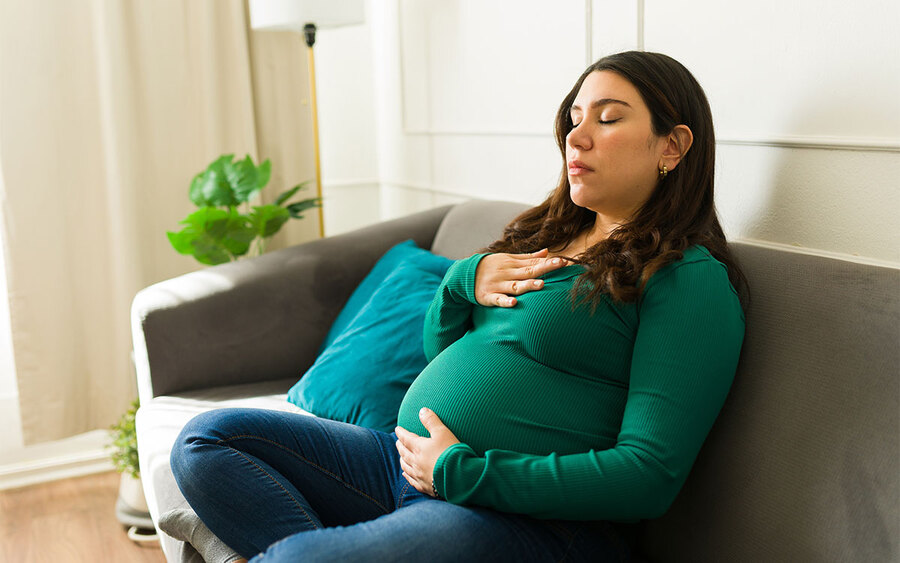
Heart disease can affect women differently than men, from the symptoms they experience to the care they receive.
When it comes to heart health, many people know the basics: Smoking, obesity and a family history of heart disease can increase cardiovascular risk. However, for women, there are additional physiological considerations that also play a role.
“The symptoms of cardiovascular disease are often different in women compared to men,” says Poulina Uddin, MD, a cardiologist at Scripps Clinic John R. Anderson V Medical Pavilion.
Women’s unique cardiovascular risk factors
In addition to traditional risk factors, certain conditions and life experiences unique to women can influence long-term cardiovascular health.
Research published in the Journal of the American College of Cardiology highlights connections between polyendocrine metabolic ovarian syndrome (PMOS), formerly known as polycystic ovary syndrome, or PCOS, and increased long-term cardiovascular risks. Diseases like PMOS lead to hormonal fluctuations, which are a known risk factor for cardiovascular disease down the road, Dr. Uddin explains.
Autoimmune conditions that are more common in women, including lupus and rheumatoid arthritis, can also increase cardiovascular risk. These conditions involve chronic inflammation, which can contribute to damage to blood vessels and other cardiovascular complications over time.
Understanding these connections can help women and their healthcare providers identify potential risks earlier and develop appropriate prevention and monitoring plans.
How pregnancy can affect heart health
Pregnancy is another important consideration in women’s cardiovascular health. Even a seemingly healthy pregnancy can involve significant metabolic and cardiovascular changes that affect a woman’s risk.
“This occurs because women undergo distinct metabolic adaptations during pregnancy,” Dr. Uddin says. “These shifts contribute to an elevated risk of blood clots, stroke and spontaneous coronary artery dissection, which is a type of heart attack that stems from hormonal fluctuations rather than plaque buildup.”
Pregnancy complications can also signal an increased risk of cardiovascular disease later in life.
These include:
- Preeclampsia: A pregnancy complication involving high blood pressure that can increase future cardiovascular risk.
- Gestational diabetes: High blood sugar that develops during pregnancy and is associated with a greater risk of developing type 2 diabetes and heart disease later.
- Gestational hypertension: High blood pressure during pregnancy that can be an indicator of increased long-term cardiovascular risk.
Because these risks can extend beyond pregnancy, it’s important for women with a history of pregnancy complications to discuss ongoing heart health monitoring with their healthcare providers.
Heart attack symptoms in women: What to watch for
Chest pain and arm pain are classic heart attack symptoms that should always be taken seriously, regardless of gender. However, women may experience additional symptoms that are less commonly associated with a heart attack.
These can include:
- Nausea or vomiting
- Unusual fatigue
- Indigestion or other gastrointestinal symptoms
- Trouble sleeping
- Cold sweats
- Lightheadedness
- Pain that spreads to the jaw, neck, back or arms
Because these symptoms can be vague or mistaken for other conditions, women may not realize they are experiencing a cardiovascular emergency and may not get timely medical attention.
“This creates a problem where women don’t recognize that they’re having symptoms that require care because the symptoms are not what they expected,” says Dr. Uddin. And even if a woman does recognize her symptoms, that doesn’t mean she’ll get the care she needs.
“Data suggests that when women do go to the hospital with a heart attack, stroke or cardiac arrest, they have worse outcomes than their male counterparts,” Dr. Uddin says. “Women are even less likely to receive CPR from a bystander.”
Anyone experiencing possible heart attack symptoms should seek emergency care immediately.
How Scripps is supporting women’s heart health
Recognizing the connection between pregnancy and long-term cardiovascular health, Scripps developed its Pregnancy Heart Center to help identify and monitor women at increased risk. The program brings together obstetricians, maternal-fetal medicine specialists and cardiologists to ensure the best outcome for both mom and baby.
“When an OB-GYN or perinatologist identifies a woman who is high-risk, either due to advanced maternal age or something that has developed during pregnancy, they automatically send her to a cardiologist just to establish care,” Dr. Uddin explains, noting that she devotes every Thursday entirely to appointments for pregnant women. “These are women we keep on our radar for screening and prevention, and they regularly follow up with us.”
The center reflects a broader approach to women's cardiovascular care: identifying risk factors early, coordinating care across specialties and helping patients maintain their heart health long after pregnancy.
Closing the gender gap in cardiovascular care
Dr. Uddin says healthcare providers and medical systems also have a responsibility to address disparities in how women receive cardiovascular care. One of the easiest first steps is patient education and ensuring that women know what to watch out for.
Physicians must also work to ensure women receive the same consideration, diagnostic evaluations and evidence-based treatments as other patients.
Dr. Uddin urges women to advocate for themselves in healthcare settings and feel empowered to speak up when something doesn’t seem right.
“If you are having symptoms you’re worried about and if you’re not being heard, get a second opinion,” she says. “There are plenty of us out here who want to listen.”

This content appeared in San Diego Health, a publication in partnership between Scripps and San Diego Magazine that celebrates the healthy spirit of San Diego.