Can Your Shoes Be Causing You Foot Pain?
How proper fit, support and design affect foot health
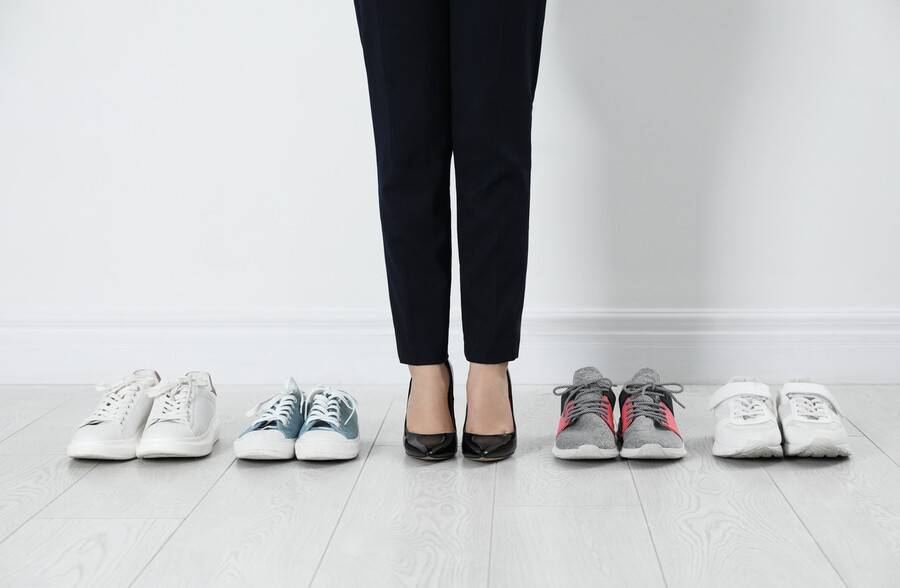
How proper fit, support and design affect foot health
Key Takeaways
- Poor-fitting shoes can cause foot pain.
- Choose shoes with enough toe room and support.
- Replace shoes when support or cushioning wears out.
- See a doctor for persistent or severe foot pain.
Shoes are meant to protect your feet, but the wrong pair can cause pain. A poor fit may lead to blisters, corns, calluses and toenail problems. It can also make bunions and hammertoes more painful, contribute to plantar fasciitis and heel pain and make walking or exercise uncomfortable.
“Shoes should feel comfortable when you first try them on,” says Ryan Diaz, DPM, a podiatrist at Scripps Clinic Rancho Bernardo. “When they don’t fit properly, repeated pressure and friction can turn minor irritation into ongoing foot pain.”
Wearing shoes that fit well and provide the right support for your activity can help keep your feet comfortable and prevent problems.
How can shoes cause foot problems?
Shoes that are too tight can pinch the toes and rub the skin. A loose fit may allow the foot to slide, causing friction and making the foot feel less stable.
Footwear that does not provide enough cushioning, support or stability for an activity can place extra stress on the feet. Worn-out pairs may also lose their ability to absorb impact and provide support, even when they look usable.
The type of shoe matters too. High heels shift body weight forward, increasing pressure on the toes and ball of the foot. Narrow toe boxes crowd the toes, while many flip-flops offer little cushioning, arch support or heel stability.
Improper footwear may contribute to or worsen:
- Blisters: Fluid-filled areas caused by repeated rubbing
- Corns and calluses: Thickened skin caused by pressure or friction
- Toenail problems: Bruised or ingrown toenails associated with a tight fit
- Metatarsalgia: Pain in the ball of the foot, often aggravated by high heels or pressure on the forefoot
- Bunions and hammertoes: Structural changes that may become more painful when the toes are crowded or rubbed
- Plantar fasciitis: Irritation of the tissue that supports the arch and connects the heel bone to the base of the toes, commonly causing pain beneath the heel
- Ankle injuries: Sprains that may be more likely with loose, unstable or high-heeled footwear
Footwear is not the only factor. Genetics, foot structure, activity level, injuries and health conditions may also play a role.
Signs your shoes don’t fit properly
Footwear may be contributing to pain if you notice:
- Redness, blisters or pressure marks after removing your shoes
- Toes that feel crowded, numb or tingly
- Heel slipping while you walk
- Pain while wearing a particular pair
- Corns or calluses where the shoe rubs
- Soreness that improves after taking the shoes off
“You should not have to break in a painful shoe,” Dr. Diaz says. “A good fit gives your toes room to move, holds your heel securely and provides the support and stability you need for the activity.”
How to choose shoes that support foot health
Sizes and shapes vary by brand, so do not rely only on the number printed inside. Try on both shoes and walk around to make sure they feel comfortable.
Look for footwear that:
- Gives your toes enough room to move naturally
- Holds the heel securely without rubbing or slipping
- Provides enough cushioning and support
- Bends where your foot bends without twisting too easily through the middle
- Matches the activity, such as walking, running or hiking
- Feels comfortable without needing to be stretched or broken in
Feet may swell during the day, so consider shopping later in the afternoon. Wear the same type of socks you plan to use with the shoes.
If you have wide feet, choose a wider size rather than a longer one. The toe box should follow the natural shape of the foot without squeezing your toes together.
Can running shoes cause foot pain?
Running puts repeated stress on your feet. Poorly fitting or worn-out running shoes may contribute to blisters, bruised toenails, heel pain or pain in the ball of the foot. A sudden change in footwear may also cause discomfort.
Shoes are not always the only cause. Overuse, rapid increases in training and underlying foot problems can also lead to running injuries.
Look for running shoes that:
- Feel comfortable from the start
- Leave about a finger’s width between your longest toe and the end of the shoe
- Give your toes enough room to move
- Hold your heel securely without slipping
- Provide comfortable cushioning and stability
- Bend near the ball of the foot without twisting through the middle
- Have traction suited to the surface where you run
Try them on with your usual socks and jog in them if the store allows it. Do not expect an uncomfortable pair to feel better after it is broken in. If you have recurring pain, a previous injury or a foot deformity, ask a podiatrist whether a particular type of running shoe or insert may help.
When should you replace worn-out shoes?
There is no set replacement schedule. How long a pair lasts depends on its construction, how often you wear it and the activity you use it for.
Consider replacing it when:
- The soles have uneven wear or little tread
- Cushioning feels flat or compressed
- The heel leans to one side
- The shoe feels unstable or misshapen
- You begin to feel pain during a previously comfortable activity, especially if the footwear shows other signs of wear
What can you do about shoe-related foot pain?
For minor soreness, stop wearing the pair that caused the pain and limit activities that make it worse. Apply an ice pack wrapped in a cloth for 15 to 20 minutes at a time. Do not apply ice directly to the skin. An over-the-counter pain reliever may also help if it is safe for you.
See a doctor or podiatrist if the pain is severe, does not improve after changing footwear or makes walking difficult. Seek prompt care for numbness, significant swelling, an open wound or signs of infection.
People with diabetes should check their feet daily, especially if they have reduced sensation or poor circulation. Contact your doctor promptly about wounds, redness, swelling or other changes. Avoid going barefoot because small injuries may go unnoticed.
“Your footwear should work with your feet, not against them,” Dr. Diaz says. “Choosing a comfortable fit and paying attention when a pair begins to wear out can help you stay active and avoid any unnecessary foot pain."