As seen in San Diego Health Magazine
John Rufo gets innovative heart valve treatment at Scripps
Scripps treats aortic regurgitation with a new TAVR valve for patients unable to have open-heart surgery.
When John Rufo thinks about the future, he sees meaningful milestones. He imagines walking his daughter down the aisle and enjoying a hard-earned retirement traveling across Italy with his wife of 34 years, Christina. He also hopes to one day share the magic of his beloved Fenway Park with his future grandchildren, just as he once did with his own son. Birthdays, holidays and celebrations come to mind, as do quieter moments with family and friends.
Just two years ago, none of this was on the table for the 65-year-old biomedical engineer.
In fact, his prospects of having a future at all looked slim. He had been living day to day with severe aortic regurgitation (AR), meaning his heart’s aortic valve that connects the lower left heart chamber to the body’s main artery was failing to close tightly, causing blood to seep into the left ventricle. AR forces the heart to work harder and weaken over time, leading to symptoms like shortness of breath, fatigue and chest pain. John’s overworked heart had started growing, a sign he’d developed congestive heart failure.
“It was gradual,” he says. “I was coming up on my annual echocardiogram and I was having trouble walking upstairs. I could tell something wasn’t right.”
Without replacing the aortic valve, John wouldn’t have survived long. But complications from open-heart surgery more than a decade prior made a second open-heart surgery impossible, and left John with few options. Then, a clinical trial for a new type of device that didn’t require open-heart surgery gave John and his family new hope.
“I’ve had open-heart surgery, and that recovery is not easy. The TAVR procedure is amazing. I felt the difference immediately. I could walk without feeling like I had to gasp for air.”
How TAVR treats aortic regurgitation
When transcatheter aortic valve replacement (TAVR) was pioneered more than a decade ago, cardiologists gained an invaluable tool to treat aortic stenosis, a condition in which the aortic valve narrows due to the buildup of calcium, without open-heart surgery.
TAVR uses a collapsible replacement valve that is threaded into the heart via a catheter in the femoral artery. Once in place, it immediately takes over for the faulty aortic valve, restoring healthy blood flow. It was initially used as a minimally invasive option for patients whose age or health conditions prohibited them from undergoing open-heart surgery, but it is now routinely used to treat the majority of patients over the age of 65 who have aortic stenosis.
Scripps cardiologists were among the first in the country to test TAVR in clinical trials before the procedure received FDA approval in 2011. Since then, thousands of Scripps patients have undergone the procedure. Until recently, however, patients with AR — including John — were not candidates for traditional TAVR.

A new TAVR option for aortic regurgitation
For patients like John, the challenge was that traditional TAVR devices were designed to attach to the calcium buildup. Without that calcification, the replacement valve could leak or migrate. Then came a breakthrough: The device was reconfigured to attach to tissue within the valve itself using a novel anchor system. Scripps Clinic cardiologists were a pivotal part of the clinical trial of this new device. John and 21 other Scripps patients took part in the trial.
“This trial was designed to look at patients who had a severely leaking aortic valve who were not good candidates for traditional open-heart surgery because of medical conditions, advanced age or other factors. These patients had no other therapy options prior, and we know that over time, AR will lead to heart failure and will take their life,” explains Curtiss Stinis, MD,an interventional cardiologist at Scripps Clinic, and director of advanced cardiovascular therapies in the Scripps Clinic Division of Cardiology.
“This type of replacement valve has the potential to change the lives of patients who haven’t had any other options for reversing this life-threatening disease,” he says.

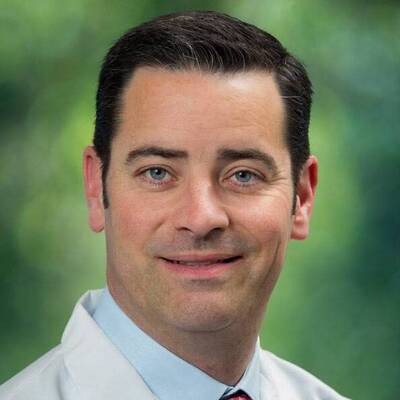
Curtiss Stinis, MD, Scripps Clinic
A faster recovery after TAVR
For John, the improvement was nearly instantaneous. Shortly after receiving the implant, he felt better and his heart soon returned to its normal size.
“I’ve had open-heart surgery, and that recovery is not easy,” he says. “The TAVR procedure is amazing. I felt the difference immediately. I could walk without feeling like I had to gasp for air.”
Advancing heart care
Though John was among the first to receive the replacement valve implant, he was not the last. The device gained FDA approval in March, and in April, Dr. Stinis became the first doctor in San Diego County to implant the device in a patient post-approval.
“Through the clinical trial and now with the first procedures following FDA approval, Scripps continues its longstanding commitment to providing our patients with the latest innovations available in medicine,” says Dr. Stinis.
Scripps is a heart care leader with a network of nearly 200 cardiologists who provide screenings, diagnostics and treatment for a range of conditions. In addition to Dr. Stinis and his team, many of those physicians also work to advance the field through clinical research that brings the latest technologies and treatments to their patients.
“We have a very high-volume cardiac program and have been leaders in the field of interventional cardiology for more than 30 years, so we’ve been fortunate enough to be chosen for many of the clinical trials for advanced technologies and first-of-its-kind treatments,” says Dr. Stinis.
“We study these devices, and if they’re successful, that helps get FDA approval, which ultimately benefits everybody — not just patients at Scripps, but everywhere. We pride ourselves in working hard to bring solutions to patients. That’s one aspect of what sets Scripps apart from other institutions,” he says.

“There’s an old saying: A healthy person has a thousand worries, but when you’re sick and facing your mortality, you only have one. Without a doubt, the TAVR device and the Scripps team saved my life. Now, I’m looking forward to everything.”
How clinical trials help patients
Clinical trials for heart disease look at ways to prevent heart disease, screen or test for heart disease, treat or manage heart disease, or reduce symptoms of heart disease or side effects from heart disease treatments. A clinical trial gives a patient access to a treatment that can potentially help them, and also helps physicians learn more.
In many cases, clinical trials can offer patients a lifeline when conventional treatments have failed. That was the case for John, who says he’s beyond grateful for the care he’s received.
“There’s an old saying: A healthy person has a thousand worries, but when you’re sick and facing your mortality, you only have one. Without a doubt, the TAVR device and the Scripps team saved my life,” he says. “Now, I’m looking forward to everything.”

This content appeared in San Diego Health, a publication in partnership between Scripps and San Diego Magazine that celebrates the healthy spirit of San Diego.
Related Medical Services
Heart Care

Heart Care
Scripps Health has San Diego’s best hospitals for heart care and heart surgery. Get comprehensive cardiac treatment options from an expert cardiologist.
Interventional Cardiology
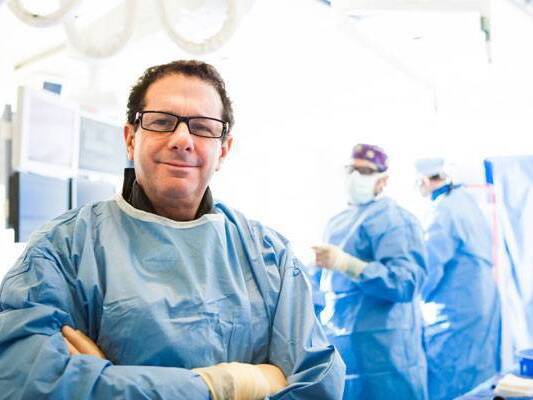
Interventional Cardiology
With expert doctors and advanced technologies, Scripps is the leader in interventional cardiology, treating more patients than any other system in San Diego.
Related Locations
Scripps Clinic Carmel Valley

Scripps Clinic Carmel Valley
3811 Valley Centre Dr.
San Diego, CA 92130
Scripps Clinic Encinitas - 326 Santa Fe
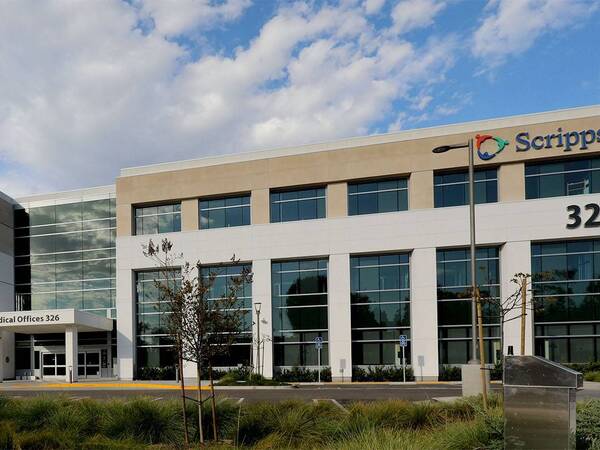
Scripps Clinic Encinitas - 326 Santa Fe
326 Santa Fe Dr. 2nd and 3rd Floors
Encinitas, CA 92024
Scripps Clinic Jefferson

Scripps Clinic Jefferson
2205 Vista Way
Oceanside, CA 92054
Scripps Clinic John R. Anderson V Medical Pavilion
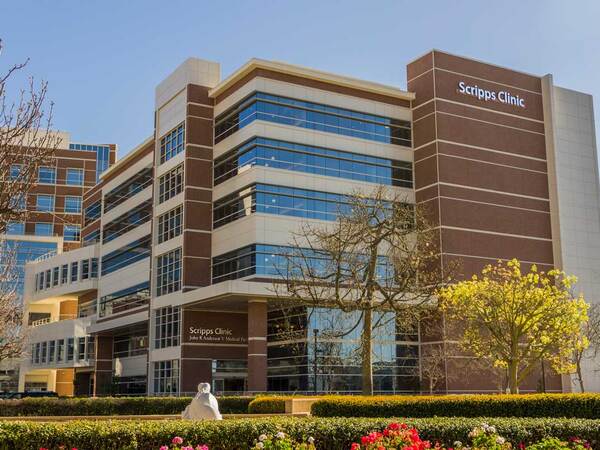
Scripps Clinic John R. Anderson V Medical Pavilion
9898 Genesee Ave.
La Jolla, CA 92037
Scripps Clinic Mission Valley - Building 7425
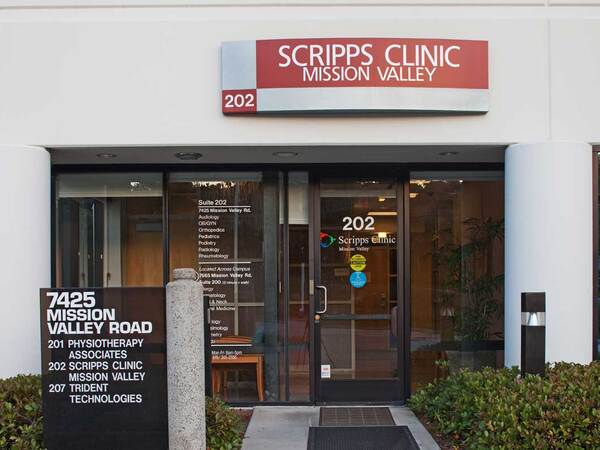
Scripps Clinic Mission Valley - Building 7425
7425 Mission Valley Rd Ste 202
San Diego, CA 92108
Scripps Clinic Rancho Bernardo

Scripps Clinic Rancho Bernardo
15004 Innovation Dr.
San Diego, CA 92128
Related Providers