Coping with the Discomforts of Pregnancy
Tips for nausea, back pain, heartburn, swelling and more
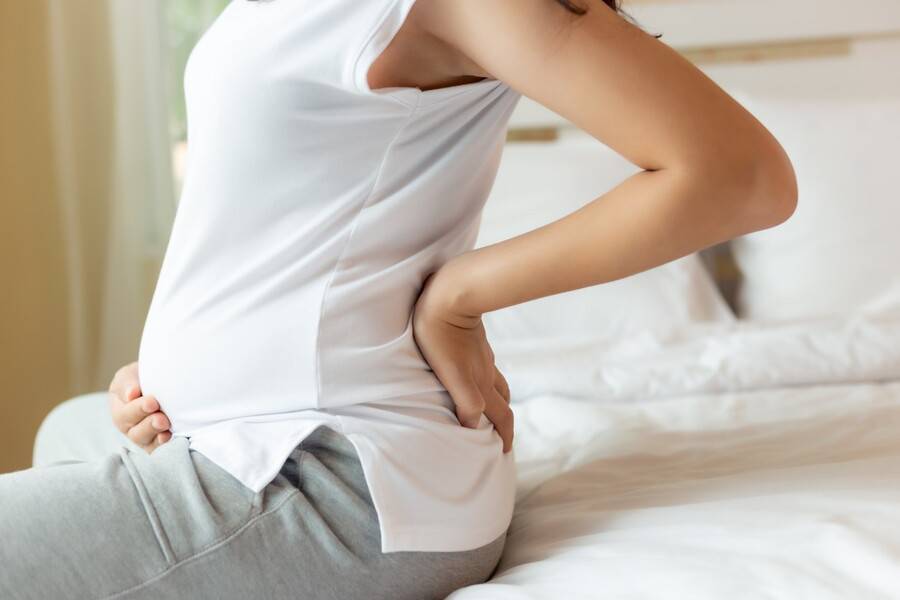
Tips for nausea, back pain, heartburn, swelling and more
Key Takeaways
- Pregnancy can cause nausea, fatigue, back pain, heartburn and other discomforts.
- Simple diet, exercise, sleep and hydration changes may help ease symptoms.
- Contact your doctor about severe, unusual or concerning symptoms.
Women who have been pregnant know that their bodies begin undergoing significant changes almost from the start.
Some are positive; hormonal shifts and enhanced blood volume can lead to thicker hair and radiant skin that creates a “pregnancy glow.” Some women notice that their allergies improve.
On the flip side, pregnancy can also bring uncomfortable changes.
If you’re pregnant or planning to become pregnant, understanding what to expect and knowing how to manage annoying ailments can help you stay comfortable and enjoy this exciting time. Here are the most common complaints:
Morning sickness
Despite its name, morning sickness can happen any time of day. It is linked to hormonal changes early in pregnancy and is most common during the first trimester.
To help reduce feelings of nausea:
- Eat small, frequent meals instead of three large ones Avoid foods and smells that trigger nausea.
- Keep crackers or dry toast nearby and have a few bites before getting out of bed.
- Stay hydrated throughout the day.
- Try ginger tea, ginger candies or vitamin B6 supplements.
“Always talk with your health care provider before starting any supplements,” says Jasmine Lai, MD, an OB-GYN and maternal and fetal medicine specialist at Scripps Clinic La Jolla Poole Building. “If your nausea is severe enough that you're unable to keep food or fluids down, contact your doctor.”
Fatigue
Growing a baby requires an incredible amount of energy, making fatigue one of the most common pregnancy symptoms.
- Getting enough rest is vital for a healthy pregnancy. Try to get plenty of sleep at night and take short naps if your schedule allows.
- Eat balanced meals rich in protein and stay physically active.
- Pregnancy-safe exercises, such as walking or prenatal yoga, can improve your energy level and help you sleep better.
Back pain and pelvic discomfort
As your center of gravity shifts and pregnancy hormones loosen your joints and ligaments, you may notice more back pain and pelvic pressure.
- Minimize discomfort by wearing low-heeled shoes that support your feet.
- Sleep on your side with a pillow between your knees.
- Use a warm heating pad to help soothe sore muscles.
If the pain persists, talk to your doctor about trying a maternity support belt or prenatal physical therapy.
Heartburn
“Hormonal changes relax the muscles that normally keep stomach acid where it belongs,” explains Dr. Lai. “As the uterus expands, it can also place pressure on the stomach, making heartburn more common.”
If heartburn or acid reflux is a problem, try adjusting how and when you eat.
- Eat several smaller meals throughout the day instead of three large ones.
- Avoid spicy, greasy or acidic foods if they make symptoms worse.
- Avoid lying down for at least an hour after eating.
If these steps aren’t enough, ask your doctor to recommend an antacid that is safe during pregnancy.
Constipation
Pregnancy hormones slow digestion. If you’re also taking iron supplements, it can make constipation worse.
To keep things moving:
- Drink plenty of water.
- Eat fiber-rich foods, such as fruits, vegetables, beans and whole grains.
- Stay active with regular exercise.
Never take laxatives without first consulting your doctor. They may have other suggestions to help relieve constipation.
Swelling
Mild swelling in your feet, ankles and hands is common, particularly later in pregnancy. These tips can help reduce swelling:
- Elevate your feet whenever possible.
- Wear comfortable shoes and avoid standing for long periods.
- Stay hydrated.
- Sleep on your left side to improve circulation.
“Let your doctor know immediately if you have sudden or severe swelling, especially if you also have headaches or vision changes,” says Dr. Lai. “These can be signs of a potential blood pressure issue.”
Leg cramps
Painful leg cramps often occur at night during the second and third trimesters.
To help prevent them:
- Stretch and massage your calves before bed.
- Take a walk every day.
- Drink water throughout the day.
If a cramp occurs, gently flex your foot upward toward your shin until the muscle relaxes.
Prioritize self-care
While most pregnancy discomforts are normal and improve after delivery, it's important to know when symptoms require medical attention. Contact your provider if any of your symptoms seem severe or unusual. It’s better to be overly cautious than to ignore a potential problem.
“Pregnancy is a time of tremendous physical and emotional change, so take care of yourself,” says Dr. Lai. “Eating nutritious foods, doing appropriate exercise, drinking plenty of water and attending your regular prenatal appointments all play an important role in keeping both you and your baby healthy and comfortable.”