Why the Health System Behind Your Doctor Matters
Connected care can support your health at every stage
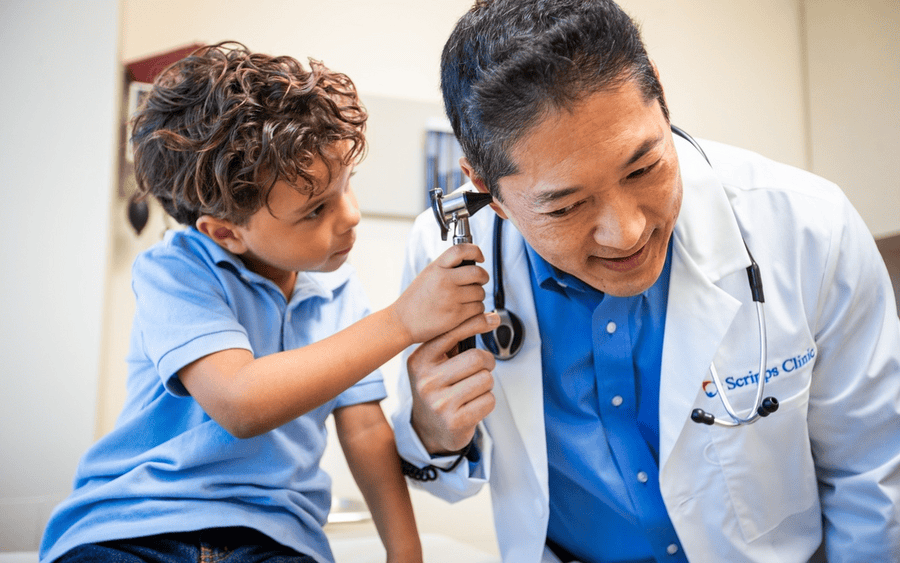
Connected care can support your health at every stage
Key Takeaways
- Your doctor may be part of a larger care network.
- Connected care can make follow-up easier.
- Primary care can help coordinate your health needs.
- Consider the quality of the health system.
- Digital tools can help keep health information connected.
When you choose a new doctor, you may think about their experience, location or whether they are accepting new patients. But it can also help to consider the health system they are part of.
A connected healthcare system can bring primary care, specialists, hospitals, imaging, lab services and digital tools together. For patients, that may mean less time tracking down records, easier follow-up after testing or a hospital stay, and better access to relevant information across different types of care.
“Your doctor is part of a larger care team,” says Anil Keswani, MD, corporate senior vice president and chief medical and operations officer for ambulatory care at Scripps Health. “When primary care, specialists, hospitals and other services are connected, it can make it easier to coordinate care and support your overall health.”
That connection can also support more personalized care as your health needs change.
Primary care can be your starting point
For many people, a primary care physician is the first stop for staying healthy, addressing new symptoms and managing ongoing health issues.
Regular visits with a family medicine or internal medicine physician also give your doctor a chance to get to know your medical history, medications, lifestyle and health goals. Over time, that long-term relationship can support more personalized care and help your doctor notice changes in your health.
Primary care can help with:
- Preventive care and screenings
- New symptoms and health concerns
- Medication management
- Ongoing health conditions
- Referrals to specialists
- Early detection of certain conditions
Scheduling regular preventive visits can also help you stay current on screenings, vaccinations and other steps to protect your overall health. If you need more specialized care, your primary care doctor can help guide you to the appropriate specialist.
Specialty care can connect with your overall care
Some health issues require expertise beyond primary care, such as cardiology, orthopedics, endocrinology, neurology or cancer care.
When your specialists have access to relevant information about your medical history, medications, test results and previous treatment, you may spend less time repeating the same details or gathering records from different offices.
“When doctors have access to the information they need, they can better understand the whole patient,” Dr. Keswani says. “That can help inform care plans and treatment options as a patient’s needs change.”
This can be especially helpful if you have several health issues or see more than one specialist.
Imaging and test results are part of the picture
Imaging, lab work and other tests often play an important role in diagnosing and monitoring health conditions.
When those results are available within the same health system, your doctors may be able to review them along with other information in your medical record. That can make it easier to decide on next steps, discuss treatment options and monitor changes over time.
At Scripps, imaging services are available at hospital campuses, specialty imaging centers and outpatient locations throughout San Diego County. Patients can also view many test results and other health information through MyScripps.
Having this information connected can be especially useful when a test leads to a specialist referral, additional imaging or follow-up care.
Hospital care can continue the connection
Most of your care may happen in a doctor's office, but there may be times when you need surgery, emergency care, maternity services or hospitalization.
When hospital care is connected with your outpatient care, your doctor may have easier access to relevant information from your hospital stay. That can help support continuity as you return to primary or specialty care.
After a hospital stay, your care team may need to review:
- Medications
- Test and imaging results
- Discharge instructions
- Follow-up appointments
- Ongoing treatment recommendations
Having this information connected can make it easier to manage the next steps in your care.
Families may also benefit from connections with specialized services. For example, Scripps provides neonatal intensive care in partnership with Rady Children’s Hospital San Diego for newborns who need specialized care after birth.
Consider the quality of the health system, too
Connection and convenience matter, but so does the quality of care available across a health system. When choosing a doctor, it can be helpful to look beyond the individual physician and learn more about the hospitals, specialists and services that are part of the same system.
Consider whether the health system is nationally recognized for quality and clinical excellence, has expertise in the specialty care you may need and has a strong track record of caring for patients in your community. Independent rankings, accreditations and quality awards can provide additional information about how hospitals and programs perform.
If you want to receive care within a particular health system, such as Scripps, confirm that its doctors and facilities are in your health plan.
Scripps Health has been nationally recognized for excellence across a range of specialties and services, with Scripps hospitals and programs earning recognition for quality, safety and clinical care. For patients, choosing a Scripps physician means having access to a broader network of primary care physicians, specialists, hospitals and services throughout San Diego.
“You may choose a doctor based on the care you need today, but it’s also important to think about the resources you may need in the future,” says Dr. Keswani. “Being part of a health system with experienced specialists, nationally recognized programs and a broad range of services can give patients access to high-quality care as their needs change.”
Digital tools can help keep care connected
Digital tools can also help different parts of your care stay connected.
When health information is available through the same system, patients may have one place to review test results, appointment reminders and other details related to their care.
At Scripps, MyScripps gives patients access to their health information and helps them stay connected with their care team. Having records in one place can make it easier to follow care plans, prepare for appointments and keep track of your health over time.
Connected care can support your health over time
Your health needs can change over time. You may need only routine primary care today but later need testing, specialty care or treatment for an ongoing condition.
Over time, your care may include:
- Primary and preventive care
- Imaging or lab testing
- Specialty care
- Surgery or hospitalization
- Ongoing treatment for a chronic condition
When these services are connected within the same health system, relevant health information may be more readily available to your care team as you move between different types of care.
“Good health care is about more than a single appointment,” Dr. Keswani says. “Choosing a connected health system with high-quality, trusted physicians, hospitals and specialty services can help support you through every stage of life, from preventive care and early detection to advanced treatment and follow-up.”