Diabetic Retinopathy Screening
Regular screenings for diabetic retinopathy are an important part of diabetes care.
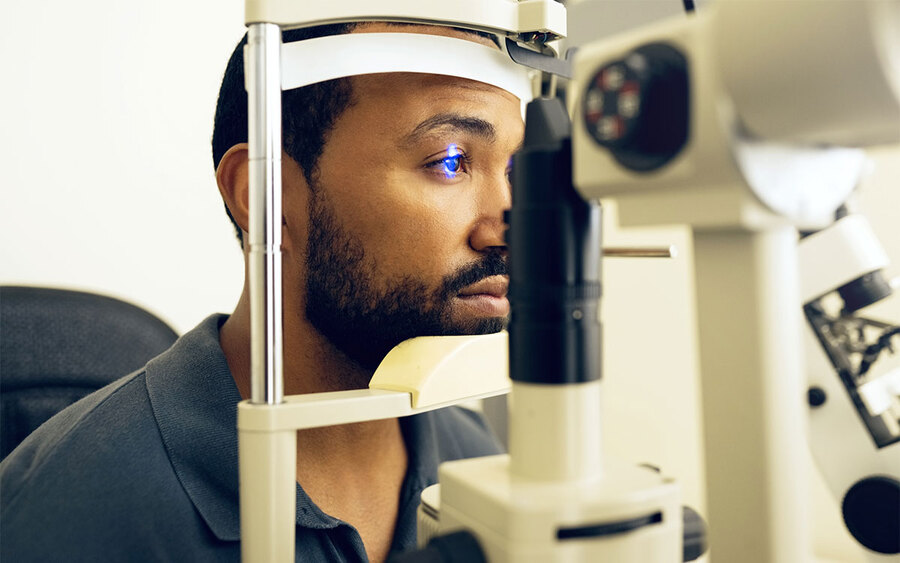
Regular screenings for diabetic retinopathy are an important part of diabetes care.
Key Takeaways:
- People with diabetes are at risk for diabetic retinopathy.
- Diabetic retinopathy may cause damage to the retina before a person notices changes in vision.
- Retinal screening can help detect problems early.
For people with type 1 or type 2 diabetes, regular retinal screenings are essential to protecting their vision. Over time, high blood sugar can damage the tiny blood vessels in the retina, the light-sensitive tissue at the back of the eye. This condition, known as diabetic retinopathy, can lead to permanent vision loss if left untreated.
Chronic high blood sugar causes changes in the retina's small blood vessels, including swelling, fluid leakage and blocked capillaries. Although these changes can eventually affect vision, diabetic retinopathy often has virtually no symptoms in its early stages. By the time patients notice blurred vision or other changes, significant damage may have already occurred.
Diabetic retinopathy is a leading cause of preventable blindness among working-age adults in the United States.
According to Nancy Chang, DO, a family medicine doctor at Scripps Coastal Medical Center in Oceanside, almost everyone with type 1 diabetes and over 60% of individuals with type 2 diabetes experience some form of the condition within two decades of being diagnosed.
“Diabetic retinopathy is frequently asymptomatic in its early stages, often causing significant damage before the patient notices any vision loss,” says Dr. Chang. “Because type 2 diabetes can remain undiagnosed for years, early retinal changes may already be present at the time of initial diagnosis.”
Routine diabetic eye exams can spot changes early, before they affect vision. This helps patients receive treatment in time, lowering the risk of complications.
However, many people with diabetes either postpone or skip suggested screenings. This situation allows primary care providers to take a more proactive approach in prevention.
Making diabetic eye screenings more accessible
Scripps has prioritized making retinal screenings a more convenient part of routine diabetes care.
In 2025, a collaboration between specialty care and primary care providers led to the installation of retinal screening cameras in Scripps Clinic and Scripps Coastal Medical Center's primary care offices.
The quick, painless, noninvasive screening uses specialized cameras to capture high-resolution digital images of the retina.
Doctors can examine the images to check for indicators of diabetic retinopathy and other issues, assisting in identifying patients who might require further assessment by a specialist.
Adding the screening to a standard primary care visit addresses a main challenge in preventive care: motivating patients to attend specialist appointments.
Nationwide, approximately 40% of U.S. adults with diabetes have never undergone diabetic retinopathy screening. Even when primary care providers refer patients to specialists, scheduling challenges and other obstacles can lead to missed appointments.
Providing screenings right in the primary care setting helps to close the gap by enabling patients to access an essential preventive service during their regular appointments.
“Requiring a separate specialist visit imposes significant logistical burdens on patients,” says Dr. Chang. “Same-day screening eliminates the need to coordinate additional time off work, secure childcare or arrange secondary transportation.”
This method can also help lower the hidden costs of healthcare, like lost wages, travel costs and extra visits.
Scripps wants to simplify the process for patients to keep up with recommended care. By combining preventive services into existing appointments, it minimizes extra hassle and costs.
How early detection changes the outlook
One of the most important benefits of retinal screening is the ability to identify potential problems before patients experience noticeable vision changes.
A standard screening sets a baseline for future checks, whereas unusual results enable primary care providers to arrange specific referrals to the right specialist.
Depending on the findings, patients may need evaluation by a retina specialist or another ophthalmic subspecialist.
If screening shows signs of advanced or possibly urgent retinal damage, primary care teams can expedite appointments instead of following usual referral timelines.
If diabetic retinopathy is detected early, treatment options are available that can help prevent or delay vision loss. Depending on the severity and progression of the disease, treatment may include medication injections, laser therapy or surgery.
Screening results can also help patients better understand how diabetes affects their overall health.
“A positive screening result serves as an immediate, objective clinical tool, but it also offers a powerful educational opportunity to partner with the patient, visually demonstrating the microvascular impact of diabetes to improve motivation and future glycemic control,” says Dr. Chang.
Even patients who maintain healthy blood glucose levels should continue to receive regular retinal screenings.
Managing diabetes effectively can significantly lower the risk of diabetic retinopathy and help slow its progression, though it won't completely remove the chance of having eye complications.
Additional health aspects like high blood pressure, high cholesterol levels, kidney issues and the duration of a person's diabetes can also impact the likelihood of retinal damage.
For that reason, ongoing screening remains important regardless of how well a patient's blood sugar is controlled.
Regular diabetic eye screenings can help:
- Detect early signs of retinal damage and identify changes in the retina before noticeable vision problems develop.
- Prevent or delay vision loss by allowing patients to explore treatment options before the condition progresses.
- Establish a baseline to give providers images they can compare with future screenings to track changes over time.
- Help primary care providers identify patients who need additional evaluation or urgent treatment.
- Support better diabetes management by giving patients a visual understanding of how high blood sugar affects their bodies.
A team approach to preventing vision loss
Making retinal screenings part of routine primary care requires coordination across the healthcare team.
At Scripps, medical assistants and licensed vocational nurses help identify patients who need screenings and arrange these tests during their appointments.
These frontline team members are trained to use point-of-care screening technology, collaborating with physicians to include retinal imaging in the patient's overall diabetes care plan.
When results indicate a potential problem, primary care providers coordinate with specialists to determine the appropriate next steps.
This collaborative approach helps patients move more efficiently from screening to diagnosis and, when necessary, treatment.
This approach enables specialists to concentrate their resources on patients requiring further assessment, while primary care teams continue to assist with prevention and ongoing disease management.
With the rising demand for diabetic eye screenings, incorporating this technology into primary care could widen access beyond the capacity of specialist offices.
For Scripps, the initiative reflects a broader commitment to preventive medicine, early detection and coordinated care across specialties. The goal is to make recommended screenings easier to access, identify complications sooner and help patients take a more active role in managing their health.
“At Scripps, our clinical objective extends far beyond simply fulfilling a quality metric or checking a box for diabetic retinopathy screening,” says Dr. Chang. “We view every individual holistically and forge a proactive partnership with our patients to optimize their long-term health. This commitment begins with rigorous disease prevention and advanced early detection, the critical cornerstones required to mitigate systemic risk and position our patients for the highest possible quality of life.”

This content appeared in San Diego Health, a publication in partnership between Scripps and San Diego Magazine that celebrates the healthy spirit of San Diego.