The Benefits of Telemedicine for Your Health
Virtual care at Scripps is easy, safe and convenient
Virtual care at Scripps is easy, safe and convenient
Managing your health is now easier than ever. Telemedicine, also known as telehealth or virtual care, lets you connect with your doctor or health care provider. This is particularly beneficial if you live in places like San Diego County, where traffic, long commutes and spread-out communities can make in-person visits very time consuming.
Virtual visits are similar to in-person appointments. They provide high-quality care without travel time or waiting rooms. Your doctor or another member of your health care team can review your health information and medical history before a video call, ensuring timely and accurate medical guidance while maintaining continuity of care.
Online care also helps you avoid unnecessary exposure to illnesses and makes it easy to get quick attention for minor health concerns. These advantages became especially clear during the COVID-19 pandemic, when telemedicine use surged. Virtual appointments also expanded access for people managing chronic conditions or seeking mental health support, ensuring they could receive consistent care without the barriers of travel or in-person visits.
Today, those conveniences remain an essential part of how many patients choose to receive care.
“As telehealth continues to evolve, it’s become a safe, efficient and convenient way for patients to get the care they need — when and where it works best for them,” says David Wetherhold, MD, chief medical information officer for ambulatory care at Scripps Health.
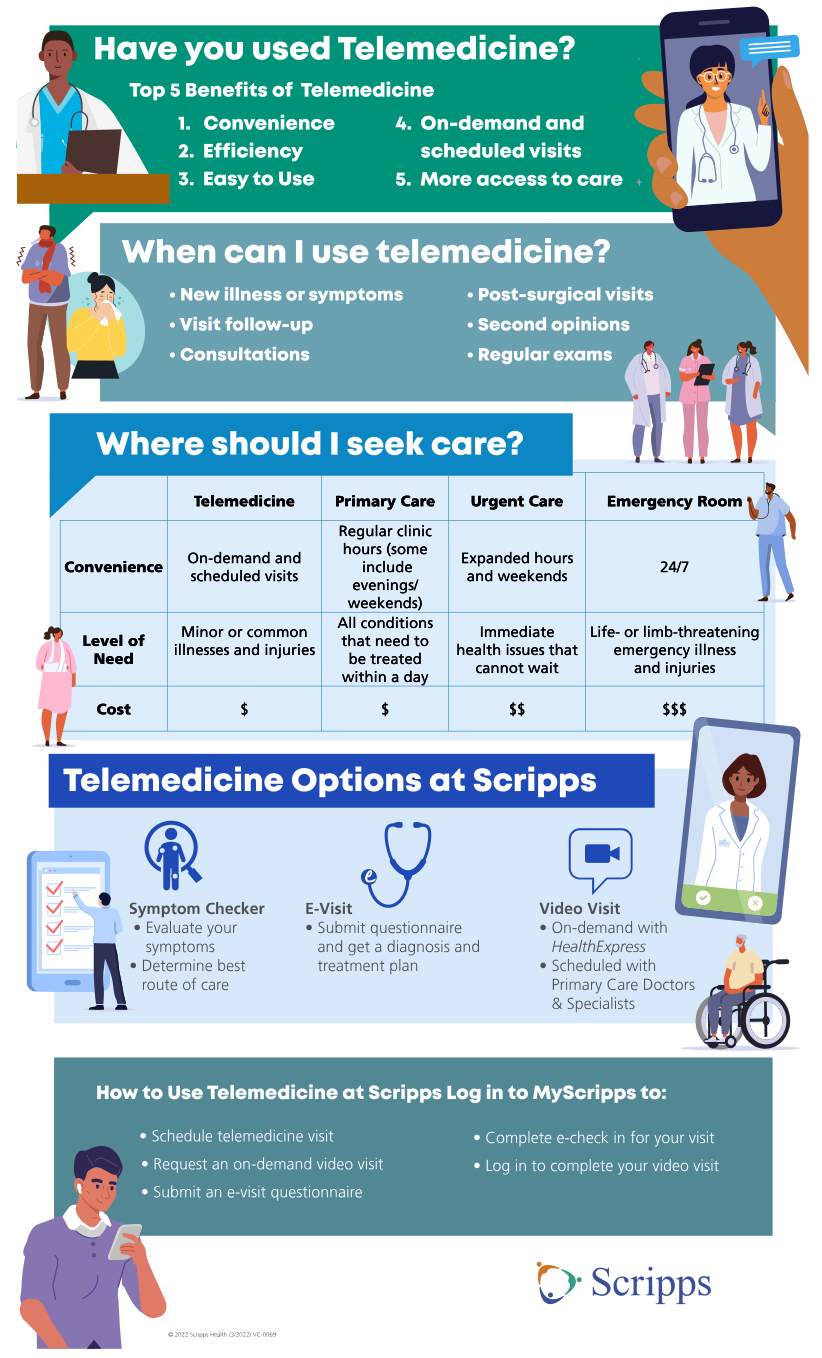
At Scripps, several virtual care options are available for patients, from wellness and follow-up visits to consultations and on-demand acute care visits. All you need is a MyScripps account and a mobile phone, tablet or computer.
What is telemedicine?
Telemedicine uses secure digital tools — including video visits, online questionnaires and mobile health apps — to connect patients with their doctors and care teams. Through these virtual platforms, you can meet with a provider in real time, share photos, receive treatment plans and get quick guidance between visits.
“Any situation where a provider can rely on visual cues and access relevant vital signs or other information online is often a great fit for virtual care,” Dr. Wetherhold says. “Patients can connect with their provider in a seamless, time-efficient way and still receive the same high level of care and attention they’d expect from an in-person visit.”
Patients are often surprised by how many conditions can be safely and effectively treated through telemedicine. Still, some medical issues require immediate hands-on attention. Always call 9-1-1 or head to the nearest emergency room if you have severe or life-threatening symptoms like chest pain or shortness of breath.
How telemedicine works at Scripps
MyScripps serves as the gateway to Scripps’ digital care experience. Through the portal and mobile app, patients can:
- Schedule appointments
- Request video visits
- Request prescription refills
- Review test and lab results
- Receive visit summaries
- Message your care team
Patients across the region — from Carlsbad and Encinitas to Mission Valley and Chula Vista — can use MyScripps on a mobile phone, tablet or computer to access a wide range of virtual care options. Many insurance plans now cover these services, and some insurers may offer additional telehealth benefits.
In recent years, Scripps has expanded its digital health tools to make access to care even easier — adding features such as On-Demand Video Visits with primary care physicians, real-time wait-time updates for urgent care and walk-in clinics, online scheduling with a growing list of providers and a streamlined digital check-in option called On My Way.
Virtual care options at Scripps
At Scripps, several virtual care options are available through the MyScripps patient portal, including:
1. Video Visits: real-time online care
Video visits connect you with a health care provider at Scripps in real time.
You can talk to a Scripps primary care doctor, specialist, nurse practitioner or physician assistant, depending on the type of appointment. You can schedule in advance or choose an On-Demand Video Visit for same-day care for some issues.
Video visits are good for the diagnosis and treatment of a variety of illnesses and minor injuries, such as:
- Allergies
- Asthma
- Colds and flu
- Minor lower back pain
- Skin conditions
- Sprains and strains
They are also helpful for follow-ups, post-surgical check-ins, chronic condition management and in some cases, annual physicals or establishing care as a new patient.
Patients with anxiety, depression or other mental health concerns may also find virtual visits more comfortable than in-person care.
2. E-visits for minor concerns
E-visits are a convenient option for minor illnesses. Through MyScripps, you complete an online health questionnaire and may upload photos. A Scripps provider reviews your information and provides a written care plan.
E-visits can treat issues such as:
- Colds and flu
- Pink eye
- Female urinary tract infections
- Female yeast infections
If your symptoms require a different type of visit, the provider will guide you on next steps, including whether an in-person appointment or urgent care visit is needed.
3. Symptom Checker: find the right level of care
If you’re unsure about the right type of care, Symptom Checker helps you decide whether to seek care now or later, in person or online. Simply answer some questions about your symptoms and get recommendations. It also provides home care tips when appropriate.
How to use telemedicine services
Using telemedicine is simple on a mobile phone, tablet, laptop or desktop computer. To request a same-day visit, patients share basic information about their condition and a provider is assigned based on availability. You can also easily schedule a future video visit with a physician online or by calling the doctor’s office.
Having certain home monitoring devices can also enhance your virtual visit. Tools like blood pressure cuffs or a blood glucose monitor can send readings to your doctor or care team when needed. Some wearable devices can track and share data, such as heart rate, oxygen levels or physical activity, which is especially useful for managing chronic conditions or evaluating new symptoms.
Tips to prepare for a successful video visit
With video visits now a routine part of care for many patients, a little preparation can make your appointment smoother and more effective. Before your visit:
- Check your internet connection and stay close to your router
- Find a quiet, private space for discussing medical information
- Prepare your questions and symptoms in advance
- Use good lighting so your provider can clearly see you
- Position your device at eye level on a steady surface
- Ask a family member to help with the camera if needed
- Test your audio and video through MyScripps
- Check in 15 minutes early
- Silence your phone and notifications
- Take notes during your visit
Video visits work best for non-emergency needs. If your provider determines you need in-person care, they will guide you on where to go and when to be seen. Video visits are not appropriate for severe or life-threatening symptoms. If you need emergency care, call 9-1-1 or go to the nearest emergency room.
Get care on your time with MyScripps
Telemedicine services at Scripps are convenient and easy for a variety of health issues, from minor concerns to chronic conditions or follow-up care. Log in or enroll in MyScripps today and take control of your health while saving time and staying safe. You can schedule a video visit, submit an e-visit or use the Symptom Checker.