As seen in San Diego Health Magazine
Nutrition Care Supports Cancer Patient on the Road to Recovery
Team-based cancer care at Scripps helped Ironman athlete Isaac Sanchez recover from head and neck cancer and get back into competition.
Scripps team helps triathlete heal and race again
Scripps team helps triathlete heal and race again
When endurance athlete Isaac Sanchez first noticed a lump on the side of his neck, he assumed it was related to training. The 54-year-old San Diego native surfed often and was training for an Ironman triathlon — a 2.4-mile swim followed by a 112-mile bike ride and a 26.2-mile run.
Like many people, Isaac put off getting the lump checked out. It was small and didn’t hurt. But at his wife’s insistence, he eventually made an appointment with his primary care physician. What followed was a whirlwind of tests.
Isaac felt blindsided when his doctor told him he had cancer. Then reality started to set in.
“It was like the world suddenly got blurry and fuzzy,” he says. “I couldn’t believe it was happening.”
Diagnosing and treating head and neck cancer
Diagnosing and treating head and neck cancer
Cancers of the head and neck are among the most complex and challenging to treat, so Isaac’s care team, which included Kathryn Bollin, MD, medical oncologist at Scripps Clinic and Scripps Cancer Center, and Shane Mesko, MD, a radiation oncologist at Scripps Clinic and Scripps Cancer Center, quickly sprang into action.
An ultrasound revealed a lymph node measuring just under 6 centimeters, but the location of the primary tumor was initially unknown — a common diagnostic challenge in some types of head and neck cancers, says Dr. Mesko. A biopsy uncovered a small tumor in Isaac’s tonsil.
His physicians developed a treatment plan that included six-and-a-half weeks of near-daily radiation — 33 rounds in all — and weekly chemotherapy.
The first three weeks of treatment were less challenging, but side effects, particularly difficulty eating, intensified during the second half of Isaac’s treatment regimen. But the strength and resilience that makes him a great endurance athlete helped him remain hopeful.
“Isaac’s determination and positive attitude were truly extraordinary,” says Dr. Mesko. “It was clear he was ready to take on this challenge with the same discipline and strength he brings to his Ironman races.”

Ultrasound image
Why nutrition matters in head and neck cancer care
In the early weeks of treatment, Isaac recalls thinking, “This is not so bad. I can still swim, run and surf.”
But as the weeks wore on, the side effects began taking their toll.
“The radiation affected the inside of my mouth. Eating became difficult, and I lost weight,” he recalls.
Alison Meagher, RDN-AP, senior registered dietitian at Scripps Cancer Center, works with Dr. Mesko and Dr. Bollin to provide head and neck cancer patients with guidance on how to maintain their calorie intake during treatment.
Meagher met with Isaac and his wife, Jennifer, to develop strategies for using nutrition to promote strength and healing, which helps patients better tolerate treatment and supports post-treatment recovery.
“Nutrition is so vitally important,” she says. “Isaac lost a lot of weight during treatment, which is something that we try to prevent.”
Losing body weight means healthy muscle is being broken down, Meagher says.
“For Isaac, we not only had to figure out how he could eat while experiencing side effects, like dry mouth and pain when swallowing, but also had to make sure he was getting enough nutrition from whatever foods he could tolerate,” she explains. “The number one goal is to eat.”
She built Isaac’s plan around high-calorie, liquid-based nutrition. She often uses “sneaking in the calories” techniques, adding certain high-calorie ingredients to soups, smoothies or shakes. Isaac also relied on pre-made, high-calorie and high-protein drinks.
Jennifer provided significant support in the nutrition department.
“My wife made all these soups packed with the nutrients I needed. I couldn’t have done it without her,” Isaac says.
“Isaac’s story is a reminder of the incredible outcomes we can achieve when we combine advanced medical technology, personalized care and the patient’s own determination.”
How coordinated care supported healing
How coordinated care supported healing
Throughout his journey, Isaac was quick to praise Scripps’ team-based approach. In addition to his cancer care team, Isaac worked with a speech therapist to regain strength in his tongue and adjust to changes caused by radiation.
“The entire cancer center team was incredible,” he says. “It’s amazing how many people were involved in my care. They made me feel relaxed and cared for every step of the way.”
Dr. Bollin credits Isaac’s success to the collaborative effort between Isaac, his family and the multidisciplinary care team at Scripps Cancer Center.
“We want our patients to understand we offer not only state-of-the-art medical treatment, but also a community where they will be cared for,” she says. “Isaac’s story is a reminder of the incredible outcomes we can achieve when we combine advanced medical technology, personalized care and the patient’s own determination.”
“Cancer changes you. But it doesn’t have to stop you. Life is beautiful, and I’m just so grateful to still be here, doing the things I love. Before cancer, I think I took a lot of things for granted, my family, my friends, even my health. Now, I don’t let a day go by without appreciating what I have.”
Life after cancer treatment
Though Isaac quickly returned to his normal life post-treatment, including an annual surf trip to Mexico, his relationship with his care team didn’t end.
Meagher met with Isaac to discuss a shift to long-term healthy eating, focusing on variety, vitamins, minerals and macronutrients to decrease the risk of chronic disease or other cancers. He was also monitored closely by Dr. Mesko, as the first two years post-treatment is the most critical time for recurrence.
Isaac regularly undergoes a blood test called NavDx, which looks for biomarkers shed by tumor cells and can be one of the earliest recurrence detectors. His follow-up schedule involves the blood test every three months for the first two years, every four months for year three and every six months for years four and five.
“This simple blood test allows me to give my patients reassurance that we have eliminated their cancer and also monitor them for recurrence,” says Dr. Mesko. “It can show us there may be microscopic cancer cells growing before any imaging or physical exam findings.”
Back in the race after cancer
Back in the race after cancer
Just a year after finishing treatment, Isaac achieved a monumental goal: completing a half Ironman triathlon on the Big Island of Hawaii. The race wasn’t easy. Isaac admits that his body has changed since treatment. But his tenacity hasn’t wavered.
“It was a celebration of everything I had overcome,” he says. “It was a way to mark the end of one chapter and the beginning of another.”
Isaac embodies what it means to push through life’s toughest challenges and come out stronger on the other side. His journey is a testament to the power of determination, the importance of a strong support system and the exceptional care provided by Scripps.
Today, Isaac is back to doing what he loves — spending time with his family, riding his bike, surfing and planning his next race. He’s also passionate about sharing his story to inspire others.
“Cancer changes you,” he says. “But it doesn’t have to stop you. Life is beautiful, and I’m just so grateful to still be here, doing the things I love.”
As Isaac gets closer to the five-year mark, when he’ll graduate to long-term survivorship, he reflects on his journey and his renewed appreciation for life.
“Before cancer, I think I took a lot of things for granted, my family, my friends, even my health,” he says. “Now, I don’t let a day go by without appreciating what I have.”

This content appeared in San Diego Health, a publication in partnership between Scripps and San Diego Magazine that celebrates the healthy spirit of San Diego.
Related Medical Services
Cancer Care
Cancer Care
Scripps Health offers advanced cancer care through an approach that combines experienced teams with the latest technologies and treatments.
Related Locations
Prebys Cancer Center

Prebys Cancer Center
4044 5th Avenue
San Diego, CA 92103
Scripps Clinic Jefferson

Scripps Clinic Jefferson
2205 Vista Way
Oceanside, CA 92054
Scripps Cancer Center, John J. Hopkins

Scripps Cancer Center, John J. Hopkins
10670 John J. Hopkins Dr.
San Diego, CA 92121
Scripps Clinic Radiation Therapy Center - Vista

Scripps Clinic Radiation Therapy Center - Vista
916 Sycamore Ave, Suite 100
Vista, CA 92081
Scripps Clinic Rancho Bernardo

Scripps Clinic Rancho Bernardo
15004 Innovation Dr.
San Diego, CA 92128
Scripps Clinic Torrey Pines

Scripps Clinic Torrey Pines
10710 North Torrey Pines Rd.
La Jolla, CA 92037
Related Providers
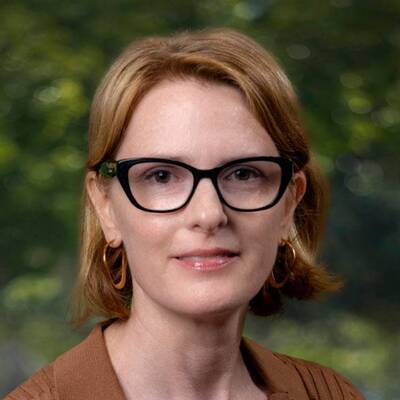
Kathryn Bollin, MD