Shockwave Therapy: A New Option for Musculoskeletal Pain
Noninvasive treatment helps heal tendon, muscle and ligament injuries
Noninvasive treatment helps heal tendon, muscle and ligament injuries
Though shock waves may sound like something more likely to cause pain than relieve it, physicians have been using the technology to treat musculoskeletal conditions for decades.
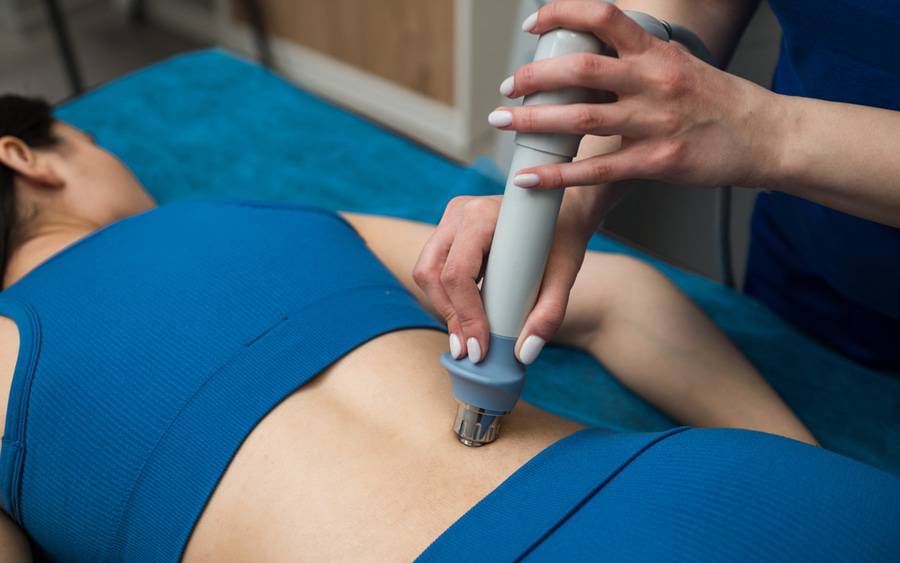
Shockwave therapy is a noninvasive treatment used in sports medicine for a variety of tendon, muscle and ligament injuries. It is typically used alongside traditional therapies, like physical therapy, platelet-rich plasma therapy or surgery. By delivering acoustic energy via targeted sound waves, it activates the body’s natural healing processes.
Bahrom Firozgary, MD, a sports medicine physician at Scripps Clinic Torrey Pines, was instrumental in bringing shockwave therapy to Scripps, calling it a potential game-changer for patient care.
Dr. Firozgary first encountered shockwave therapy more than a decade ago when he played college basketball. He worked with Scripps leaders to evaluate the technology and ensure the treatment could be delivered according to the highest clinical standards, then he became licensed by the International Medical Shockwave Therapy Society.
Scripps officially launched its shockwave therapy program earlier this year, making it one of the first major healthcare organizations in the region to offer the innovative service.
“I got injured playing Division I basketball, and in the training room, I saw this device for the first time. Then during my medical training, we were using it on professional and collegiate athletes,” says Dr. Firozgary. “When I got to Scripps, I started asking if we could add this to our practice because we have a lot of patients who are high-level athletes and can benefit from it.”
Types of shockwave therapy
In general, there are two types of shockwave therapy:
Radial pressure wave therapy or “unfocused,” which has more of a “ripple” effect and is used for superficial or larger tendon areas.
Extracorporeal shockwave therapy or “focused,” which reaches deeper structures, making it suitable for conditions like calcific tendinitis or bone bruising, explains Dr. Firozgary.
Radial pressure wave therapy is already available to patients. Focused wave therapy is expected to become available in September.
How shockwave therapy works
Unlike therapeutic ultrasound, shockwave therapy uses higher-energy waves that penetrate deeper into tissue to activate the body’s repair mechanisms. The energy stimulates cells like tenocytes, myocytes and osteocytes to trigger a signaling cascade that increases the concentration of growth factors and facilitates inflammatory modulation, cell turnover and new blood vessel formation.
Conditions shockwave therapy can treat
Shockwave therapy can be used for both acute and chronic injuries involving tendons, muscle and ligaments, including:
- Achilles tendinopathy
- Plantar fasciitis
- Tennis elbow
- Patellar tendon injuries
- Hamstring problems
- Hip-related tendon pain — especially when pain has not improved with other treatments.
What to expect during shockwave therapy
The therapy is not painful, though it may cause brief, pinching sensations during the session. The typical protocol involves three to six sessions, spaced one to two weeks apart. When used as an adjunct to physical therapy, patients often report immediate improvements.
“Motion is medicine, and moving pain-free is our goal for quality of life and longevity,” says Dr. Firozgary. “Keeping the body right keeps the mind right, and vice versa.”

This content appeared in San Diego Health, a publication in partnership between Scripps and San Diego Magazine that celebrates the healthy spirit of San Diego.