GLP-1 Medications for Diabetes: How to Eat Well and Preserve Muscle
How to manage blood sugar, get enough nutrients and limit muscle loss
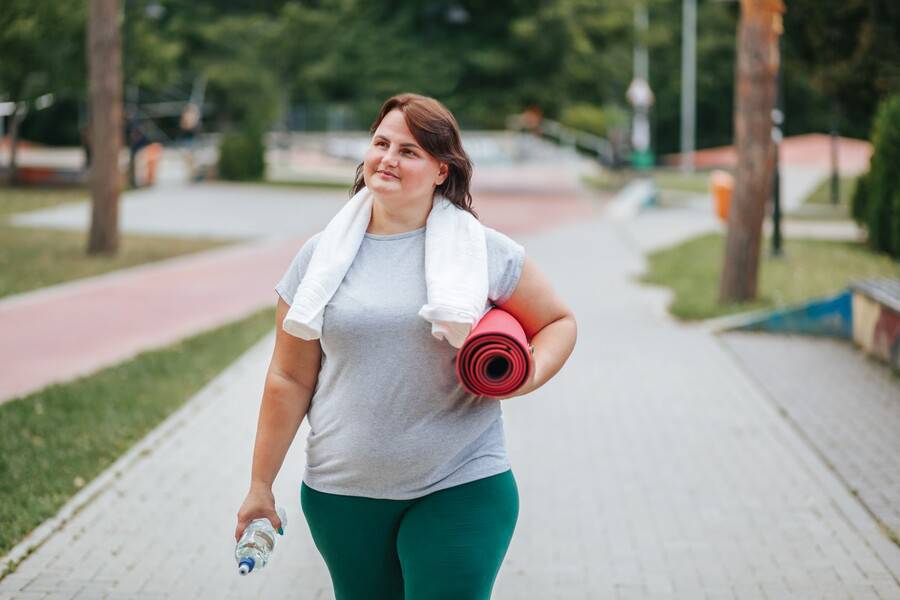
How to manage blood sugar, get enough nutrients and limit muscle loss
Key Takeaways
- GLP-1 medications can reduce appetite and food intake.
- Eating enough protein helps preserve muscle during weight loss.
- Balanced meals and hydration support blood sugar management.
- Strength training and regular monitoring help maintain health.
If you’re taking a GLP-1 medication for type 2 diabetes, you may notice you’re less hungry. Medications such as semaglutide (Ozempic) and tirzepatide (Mounjaro) help lower blood sugar and reduce hunger, which can also lead to weight loss.
But what happens when you’re eating too little to get the nutrients your body needs?
Eating too little can contribute to fatigue and muscle loss, particularly among older adults and people with dietary restrictions. Research reviewed by Harvard Health also suggests that people taking GLP-1 medications may be at increased risk of certain vitamin and mineral deficiencies.
These concerns don’t mean GLP-1 medications are unsuitable for older adults. They highlight the importance of maintaining good nutrition throughout treatment.
“When patients start losing weight and their blood sugar improves, that’s encouraging. But we also want to make sure they’re getting enough nutrition and maintaining their strength. Those things matter just as much for long-term health,” says Athena Philis-Tsimikas, MD, an endocrinologist at Scripps Clinic and corporate vice president of the Scripps Whittier Diabetes Institute.
How do GLP-1 medications affect eating?
GLP-1 medications help control appetite and slow how quickly food leaves your stomach, making you feel full longer. As a result, you may eat smaller portions or skip meals without realizing it.
Common side effects include nausea, constipation, diarrhea and bloating, which can interfere with eating well and staying hydrated.
Why can eating too little affect diabetes management?
Eating too little can cause fatigue, weakness and nutritional deficiencies. It can also increase the risk of low blood sugar if you’re taking insulin or certain other diabetes medications.
GLP-1 medications have a low risk of causing low blood sugar, or hypoglycemia, when used alone.
“One thing patients may not realize is that their medication needs can change as they lose weight and eat less,” Dr. Philis-Tsimikas says. “That’s why it’s important to monitor blood sugar, blood pressure and cholesterol levels and work with your care team to determine whether medications need to be adjusted.”
Signs of low blood sugar include:
- Shakiness or sweating
- Dizziness or headache
- Sudden hunger
- Fast heartbeat
- Confusion or difficulty concentrating
What should you do if your blood sugar drops too low?
For most adults with diabetes, the target blood sugar range before meals is 80 to 130 mg/dL, although individual targets may vary. A reading below 70 mg/dL is considered low and requires prompt treatment, even if you have no symptoms.
If you’re alert and can swallow safely, follow your diabetes care team's instructions. This usually means consuming 15 grams of fast-acting carbohydrates, such as 4 ounces of regular juice. Wait 15 minutes, then check your blood sugar again. Repeat if it’s still below 70 mg/dL.
Severe low blood sugar can cause seizures or unconsciousness. Call 911 immediately. If glucagon is available, someone should administer it according to the medication instructions and your emergency diabetes plan. Never give food or drinks to someone who cannot swallow safely.
Glucagon is available as a nasal spray or injection. Ask your doctor whether you should keep glucagon available, especially if you take insulin or are at high risk for severe low blood sugar.
If you’re eating much less than usual or experiencing repeated episodes of low blood sugar, contact your diabetes care team. Your medications may need to be adjusted, but don’t make changes on your own.
How can you protect your nutrition while taking a GLP-1?
You don’t need large portions to eat well. Focus on balanced meals with protein, fiber, vitamins and minerals.
1. Make protein a priority
Protein helps preserve muscle during weight loss.
Good sources of protein include:
- Fish, chicken and eggs
- Greek yogurt and cottage cheese
- Beans, lentils and tofu
- Nuts and seeds
If you get full quickly, try eating protein-rich foods first. If you have kidney disease, ask your care team how much protein you need.
2. Choose fiber-rich carbohydrates
You still need carbohydrates for energy when you have diabetes. Choose nutritious options, including fruits and vegetables, beans and whole grains, to help manage blood sugar levels.
Pair carbohydrates with lean protein or healthy fats, such as grilled chicken with vegetables and brown rice.
3. Stay hydrated and get essential nutrients
Eating less may mean drinking less. Nausea, vomiting and diarrhea also increase dehydration risk.
Sip water throughout the day. Unsweetened tea can also help you stay hydrated. Choose nutrient-rich foods to meet your vitamin and mineral needs.
If appetite changes or dietary restrictions make eating difficult, ask your care team about supplements or a nutrition assessment.
How can you limit muscle loss while taking a GLP-1?
When you lose weight while taking a GLP-1, some of that weight may come from lean body mass, which includes muscle, rather than fat alone. This is especially important for older adults, who may already be experiencing age-related muscle loss.
"We don’t want patients to focus only on how many pounds they’ve lost. We also want them to stay strong, active and able to do the things they enjoy. Preserving muscle is an important part of that," Dr. Tsimikas says.
To help preserve muscle, eat enough protein and do strength-training exercises at least twice a week. Try light weights, resistance bands or chair squats, depending on your abilities.
Can meal timing affect blood sugar levels?
Yes. GLP-1 medications may reduce your appetite enough that you skip meals. This can increase your risk of low blood sugar if you also take insulin or certain diabetes pills.
To help manage blood sugar:
- Eat smaller meals at regular intervals when your medications require it.
- Pair carbohydrates with protein or healthy fats.
- Keep nutritious snacks available.
- Check blood sugar when eating habits change.
If you use a continuous glucose monitor (CGM), review your readings with your care team to see whether adjustments are needed.
How can you manage GLP-1 digestive side effects?
Nausea, bloating and feeling unusually full are common when starting treatment or increasing the dose.
Eating smaller portions, eating slowly and avoiding greasy foods may help. Stop eating when you feel comfortably full.
Contact your doctor if symptoms interfere with eating or drinking.
When should you see a diabetes dietitian?
Struggling to eat enough while taking a GLP-1? A registered dietitian who specializes in diabetes can help you meet your nutritional needs while managing blood sugar.
Scripps offers individualized nutrition counseling to help patients develop healthy eating plans based on their medical needs, lifestyle and weight management goals.
Consider seeing one if you’re losing weight rapidly, taking insulin or following dietary restrictions.
When should you contact your diabetes care team?
Contact your doctor for persistent nausea, vomiting, diarrhea, repeated low blood sugar, unusual fatigue or difficulty eating enough.
Seek prompt medical attention if you can’t keep fluids down, become significantly dehydrated or develop severe or persistent abdominal pain, especially with vomiting.
Managing diabetes with a GLP-1 isn’t just about blood sugar or weight loss. Good nutrition and muscle strength matter, too.