As seen in San Diego Health Magazine
How Thyroid Cancer Treatment Helped Danny Find His Voice Again
After a rare, aggressive thyroid cancer required removal of his voice box, Danny found a path forward with coordinated cancer care and speech rehabilitation at Scripps.
After a rare form of thyroid cancer required the removal of a patient’s voice box, a multidisciplinary team of Scripps Cancer Center specialists worked to help him move forward.
For Danny Gassaway, communication is essential. Since retiring from his delivery job nine years ago, the 69-year-old has worked as an usher for the San Diego Padres, welcoming fans, checking tickets, assisting with seating and answering questions about all things related to the ballpark. When Danny was diagnosed with two rare forms of thyroid cancer, that was put on hold. But with coordinated thyroid and head and neck cancer treatment at Scripps Cancer Center, Danny began a journey toward recovery—and back to the ballpark.
A complex “collision” cancer takes coordinated care
After a few games last season, Danny ended up with a hoarse voice. The first few times, it had improved by morning. When it began to persist, he got it checked out. Then Danny received the devastating diagnosis that no one wants to hear, especially after losing his mother to cancer just months earlier.
“They did a biopsy and found that there was cancer in my thyroid gland,” he recalls. “I was shocked.”
Danny had not one but two rare forms of cancer in his thyroid, medullary thyroid cancer and papillary thyroid cancer, which had spread into his voice box. Due to the rapid growth of the tumor and it compromising his ability to breathe normally, his care team knew that they had to act quickly and work together to deliver world-class thyroid cancer treatment in San Diego. This set off a series of tests, treatments and surgeries.
Danny’s case was particularly complicated. He had what’s colloquially called a collision tumor, or multiple synchronous tumors caused by different genetic mutations. Medullary thyroid cancer and papillary thyroid cancer were localized in his thyroid gland, and the tumor was pushing into his trachea and larynx. Plus, his cancer was especially aggressive. His thyroid cancer specialists were left with few options other than radical surgery.
His Scripps Clinic endocrinologist, James McCallum, MD, who had previously been monitoring a nodule on Danny’s thyroid, referred him to Samuel Zuber, MD, a general surgeon at Scripps Cancer Center, for a biopsy. Upon the findings, Dr. Zuber performed a total thyroidectomy.
Danny was subsequently treated with radioactive iodine therapy, a treatment used to attack thyroid cancer cells, specifically the papillary thyroid cancer cells.
“We repeated his imaging and saw his blood work, and the cancer had grown back pretty quickly,” says Dr. Zuber. “There are certain cancers that do really well with chemotherapies and targeted therapies. Though we’re seeing more of that in today’s thyroid cancer treatments, ultimately it’s still very much a surgical disease, which means that we have to surgically remove as much of the cancer as we can.”
Dr. Zuber referred Danny’s case to Brendan Gaylis, MD, director of head and neck oncology at Scripps Cancer Center, and his surgical team for further treatment. About a year after Danny’s initial surgery, Dr. Gaylis delivered the news: he would need his entire voice box removed—a total laryngectomy. Danny says it came like a gut punch that he didn’t take well. He worried about his job, his ability to communicate and ultimately his quality of life.
“I wasn’t prepared for what he had to say,” he says. “That was a life-changing experience.”
“There is no easy way to deliver this type of news to a patient,” says Dr. Gaylis. “Danny was extremely upset in the beginning, and I told him to go home and speak with family and friends and take a week or two to make this decision.”
Two weeks later, Danny returned and said he was ready for treatment. He underwent the total laryngectomy and bilateral neck lymph node dissection in May 2026, a 10-hour procedure that included the insertion and fitting of a tracheal-esophageal prosthesis, which would eventually enable him to communicate through esophageal speech.
But he was not out of the woods: he suffered a heart attack in the intensive care unit a few days later and had an emergency coronary artery stent placed in his heart.
Following discharge from the hospital two weeks after that, Danny underwent six weeks of targeted radiation therapy to help ensure the cancer was gone.
“Radiation, in my opinion, is the toughest thing for patients to go through, especially for the head and neck cancer patients. It’s also one of the most complex things we do as radiation oncologists from a treatment planning perspective,” says Shane Mesko, MD, radiation oncologist, Scripps Clinic and Scripps Cancer Center. “I always tell patients that we’re going to put them through a lot, but they have a whole support team to help, and then it hopefully will be just a speed bump in the big picture.”
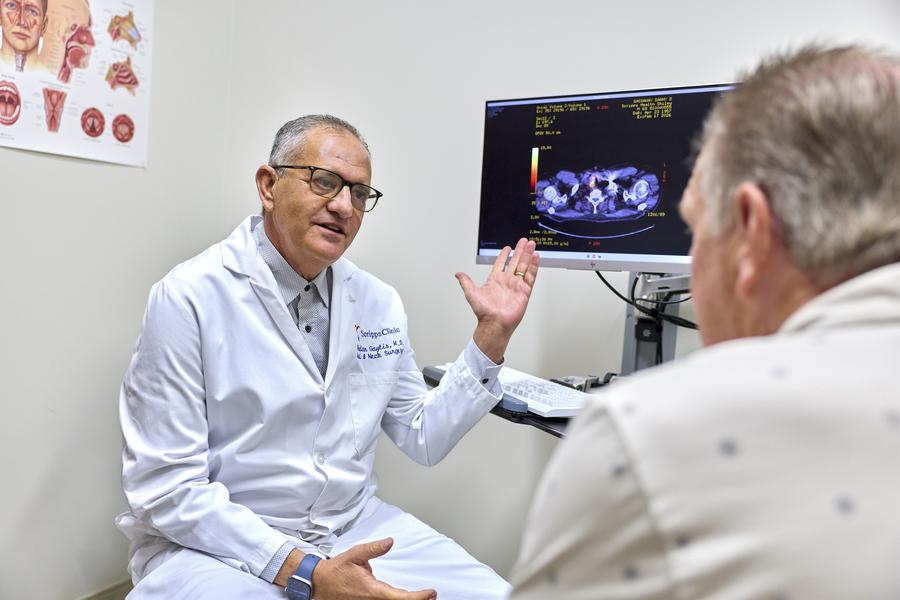
Brendan Gaylis, MD, Scripps Clinic
Learning a new way to communicate
Danny finished treatment with a clear goal in sight: to return to his job. That meant months of speech rehabilitation to learn esophageal speech. Esophageal speech involves breathing air from the lungs into the tracheal-esophageal prosthesis and esophagus, which vibrates the throat tissues to make sound. He is also managing lingering effects from treatment and voice box removal, including a loss of his ability to smell and taste, which may eventually return.
“It took me almost three months just to start talking. I wrote on a whiteboard for two-and-a-half months to communicate,” Danny recalls. “Dr. Gaylis and my speech therapist got me to where I am now. I’m taking it one day at a time, and I’m not giving up. I believe things are getting better. I feel that.”
Dr. Gaylis notes that throughout the process, Danny’s attitude has been outstanding.
“His speech is excellent, and he seems to be thriving,” he says. “I can’t wait to celebrate with Danny at a Padres game at Petco Park.”
Danny’s physicians also continue to follow him closely, monitoring for any signs that his cancer could recur or develop somewhere else. Given the unusual and aggressive nature of his tumor, comprehensive follow-up care remains important.
Danny requires regular, specialized testing to catch any potential changes as early as possible. During the initial post-treatment phase, his schedule includes routine blood work, neck ultrasounds and CT scans. Should his condition remain stable during the first couple of years, his care plan will transition into less frequent checkups.
“Danny is doing well since surgery and post-operative radiation,” says Kathryn Bollin, MD, medical oncologist, Scripps Clinic and Scripps Cancer Center, who is another member of Danny’s care team. “He continues with close monitoring knowing there is a chance for this cancer to recur. Future medical therapy options are identified based on tumor molecular analysis, which revealed a rare targetable alteration in the cancer cells.”
Dr. Zuber notes that Danny’s follow-up care is unique because of the rareness of his mixed medullary papillary thyroid cancer.
“In this case, the thyroid cancer is aggressive and especially challenging because the thyroid is surrounded by so many critical structures,” he says.
“Our cancer physicians are world-class, and our clinical research program continues to grow. I’m confident that we stand shoulder to shoulder with the best, and I feel privileged to be part of this program.”
The multidisciplinary difference
An important aspect of Danny’s treatment — and all cancer care at Scripps — is a multidisciplinary approach. Scripps Cancer Center specialists work together to diagnose and treat cancers, as well as provide support services to help people through their cancer care journeys.
For patients with complex head and neck cancers, that diverse team of providers can include surgeons, radiation oncologists, medical oncologists, palliative care specialists, cancer internists and other specialists, such as speech pathologists, dietitians, social workers and oncology nurse navigators.
“Our team works in a multidisciplinary fashion to review treatment options, including radiation, systemic therapy, surgery and novel treatments,” says Dr. Bollin. “For Danny, early team engagement was especially important due to a combination of two types of thyroid cancer, of which the rarer, medullary thyroid cancer, began to grow very quickly compromising his ability to breathe normally. The entire team was in frequent communication to optimize a plan that would align with Danny’s goals for cancer treatment, despite the impact on his voice.”
In addition to official meetings, specialists also stay in touch through less formal means throughout treatment and recovery.
“It’s not just about the surgeries; it’s about everything that follows, and ensuring Danny receives prompt, coordinated care,” says Dr. Zuber. “That’s why a multidisciplinary team is so important. Dr. Bollin, Dr. Gaylis, Dr. McCallum and I all have each other’s phone numbers, and whether it’s in person or by text, we stay in close contact to coordinate his treatment and ongoing follow-up. That level of care is absolutely critical.”
Dr. Gaylis adds, “Scripps Cancer Center has been recognized as one of the nation’s top cancer care institutions by Becker’s Hospital Review. Our cancer physicians are world-class, and our clinical research program continues to grow. I’m confident that we stand shoulder to shoulder with the best, and I feel privileged to be part of this program.”
Reflecting on the comprehensive, highly coordinated care he received from his Scripps thyroid cancer specialists, Danny emphasizes that he felt supported every step of the way.
This content appeared in San Diego Health, a publication in partnership between Scripps and San Diego Magazine that celebrates the healthy spirit of San Diego.
Related medical services
Cancer Care
Cancer Care
Scripps Health offers advanced cancer care through an approach that combines experienced teams with the latest technologies and treatments.
Thyroid Cancer

Thyroid Cancer
Renowned experts in thyroid cancer treatment, Scripps offers leading-edge care in San Diego required to treat advanced stages of this endocrine cancer.
Parathyroid Cancer

Parathyroid Cancer
Leaders in parathyroid cancer treatment, Scripps offers leading-edge care in San Diego for this rare endocrine cancer.
Thyroid Disease

Thyroid Disease
Scripps endocrinologists in San Diego evaluate thyroid symptoms and treat thyroid diseases, including hypothyroidism, hyperthyroidism and thyroid cancer.
Head and Neck Cancer

Head and Neck Cancer
Recognized as oncology leaders in head and neck tumors, Scripps offers the latest head and neck cancer treatments in San Diego, California.
Related locations
Scripps Clinic John R. Anderson V Medical Pavilion
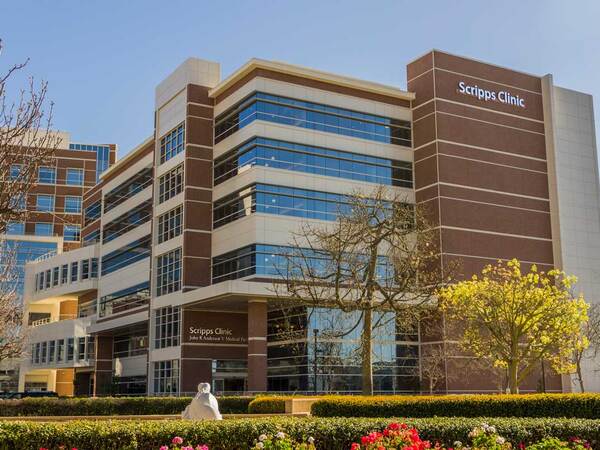
Scripps Clinic John R. Anderson V Medical Pavilion
9898 Genesee Ave.
La Jolla, CA 92037
Scripps Clinic Torrey Pines
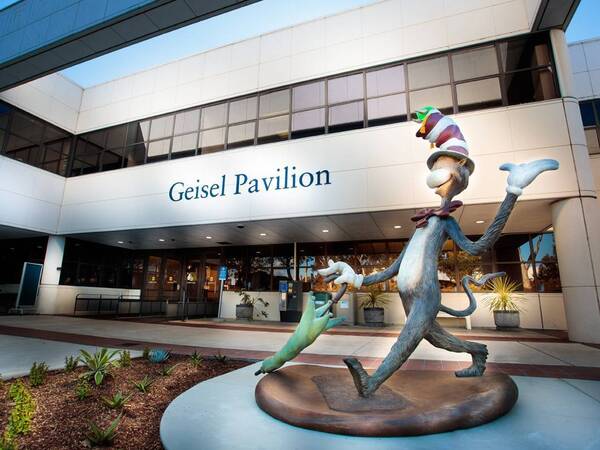
Scripps Clinic Torrey Pines
10710 North Torrey Pines Rd.
La Jolla, CA 92037
Scripps Clinic Rancho Bernardo

Scripps Clinic Rancho Bernardo
15004 Innovation Dr.
San Diego, CA 92128
Prebys Cancer Center
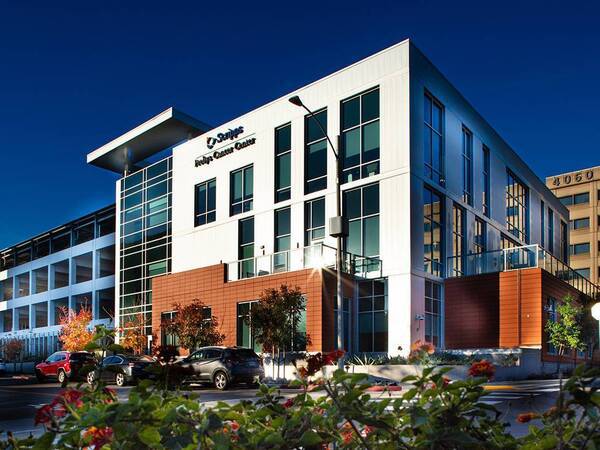
Prebys Cancer Center
4044 5th Avenue
San Diego, CA 92103
Related providers

James McCallum, MD

Samuel Zuber, MD

Brendan Gaylis, MD
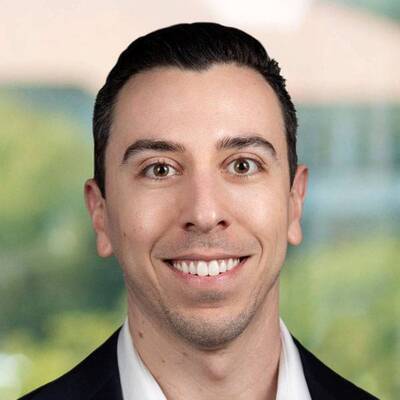
Shane Mesko, MD