Expert nephrology care for kidney disorders
When it comes to kidney health, having the right specialists on your side matters. Scripps nephrologists are experts in diagnosing and treating chronic kidney disease and other kidney problems. From diagnosing kidney disorders to providing the most advanced chronic kidney disease treatments, our kidney doctors combine clinical expertise and the latest research to personalize a comprehensive care plan for each patient.
Scripps provides comprehensive kidney care including:
Our kidney disease doctors develop care plans that can slow the progression of chronic kidney disease and reduce your risk of needing dialysis. They strive not only to improve your kidney health, but also to improve your quality of life.
Treatments focus on the specific type of kidney disease, controlling blood pressure and reducing protein in the urine through medications and lifestyle modifications, including dietary and exercise recommendations.
Scripps has been on the forefront of PKD treatment with our involvement in a clinical trial which resulted in the first FDA-approved medication for PKD.
Additionally, Scripps has a dedicated PKD clinic which offers state of the art treatments including PKD education, dietary guidance, medication optimization and blood pressure management. For those patients with progressive disease, we refer patients for evaluation for kidney transplant when they are eligible. In some cases, with pre-emptive kidney transplant, we have been successful in preventing the need for dialysis.
Polycystic kidney disease (PKD) affects approximately 1 in every 500 people. Patients with PKD develop numerous fluid-filled cysts in the kidneys, which often cause elevations in blood pressure and kidney damage.
Our dedicated glomerular disease clinic provides state-of-the-art treatments in this rapidly advancing field. Patients in this clinic also have an opportunity to participate in clinical trials.
Glomerular disease is a condition that affects the tiny filter units in the kidneys, disrupting their ability to function properly. There are many types of glomerular disease; each patient’s treatment plan will depend on the type of disease they have. Medications can help treat the root cause of the disease, control blood pressure, stop protein loss in the urine and reduce swelling.
Our nephrologists have participated in clinical trials for anemia of chronic kidney disease. They are experts in managing both anemia and metabolic bone disorders of chronic kidney disease. Treatments include erythropoiesis-stimulating agents (ESAs) to boost red blood cell production, iron and vitamin D supplements, parathyroid hormone management and dietary changes.
Scripps nephrologists have conducted research in hypertension and are experts in identifying and treating the underlying cause of high blood pressure. Treatments include lifestyle modifications with tailored dietary and exercise recommendations, medications and, in some cases, surgical procedures.
Hypertension, or high blood pressure, is common in patients with chronic kidney disease. Maintaining healthy blood pressure helps reduce the risk of heart disease, stroke and kidney damage.
Our Nephrology Division promotes kidney transplantation for patients who are eligible. Patients with ESKD can avoid dialysis altogether with a pre-emptive kidney transplant.
For patients who do require dialysis, we offer dialysis options education to help patients make the right choice for management of their end stage kidney disease. Home dialysis, including peritoneal dialysis and home hemodialysis, and in-center hemodialysis treatments are available. Home dialysis is an area of specific interest, research and expertise within the division.
Our nephrologists will help you determine why you are forming kidney stones and will educate you on how to prevent them in the future. Most patients benefit from dietary changes including drinking more fluids and following certain dietary guidelines. In some cases, medications can also help.
Kidney stones affect approximately 9-11% of the population.
Depending on the cause of the imbalances, treatment at Scripps may include medications, dietary changes and other lifestyle modifications.
Kidney disorders may lead to unbalanced levels of minerals such as potassium, magnesium, calcium and sodium in your blood. This can affect your heart, muscles and more. Additionally, too much fluid may cause edema (swelling), while too little can cause dehydration.
Because nutrition needs change as kidney disease progresses, Scripps provides access to a dedicated, registered dietitian who specializes in caring for patients at every stage of kidney disease. There is no one-size-fits-all approach to a kidney-friendly diet. Our kidney dietitian takes a personalized, holistic approach to help you make informed food choices that align with your medical needs, lifestyle, preferences and goals.
The foods you eat can play an important role in protecting kidney function, managing symptoms and complications, improving overall health and supporting the best possible outcomes throughout your kidney health journey. We are here to help you build sustainable eating habits that nourish your body and fit your lifestyle.
Kidney disease support services for patients and families
We also offer educational and support services for people with kidney disease and their families. Our services include:
- Comprehensive advanced kidney disease care
- Polycystic kidney disease (PKD) clinic
- Glomerular disease (GN) clinic
- Chronic kidney disease educational sessions
- Genetic testing for kidney disease
- Timely referrals for kidney transplant evaluations
Nutrition counseling with a certified RD specialist in kidney nutrition
Because nutrition needs change as kidney disease progresses, Scripps provides access to a dedicated kidney registered dietitian who specializes in caring for patients at every stage of kidney disease. There is no one-size-fits-all approach to a kidney-friendly diet. Our kidney dietitian takes a personalized, holistic approach to help you make informed food choices that align with your medical needs, lifestyle, preferences and goals.
The foods you eat can play an important role in protecting kidney function, managing symptoms and complications, improving overall health and supporting the best possible outcomes throughout your kidney health journey. We are here to help you build sustainable eating habits that nourish your body and fit your lifestyle.
Should a patient need a kidney transplant, the Scripps Organ Transplantation Program has been helping patients with end-stage kidney disease since 1994. Scripps nephrologists work closely with the transplantation team to ensure timely referrals for eligible patients. This helps decrease dialysis treatment time and, in some cases, prevents the need for dialysis altogether.
Our kidney transplant program has success rates that match or exceed the national average. Learn more about our kidney transplant program.
Scripps participates in kidney disease clinical trials to discover new treatments and therapies for kidney disease. Find out more about our current clinical trials.
Kidney care locations in San Diego
Scripps offers comprehensive care for kidney disorders and hypertension at the following locations.
Scripps Clinic Rancho Bernardo

15004 Innovation Dr.
San Diego, CA 92128
Scripps Clinic Torrey Pines

10710 North Torrey Pines Rd.
La Jolla, CA 92037
Scripps Clinic John R. Anderson V Medical Pavilion

9898 Genesee Ave.
La Jolla, CA 92037
Scripps Clinic Encinitas - 310 Santa Fe

310 Santa Fe Dr.
Encinitas, CA 92024
Scripps Memorial Hospital La Jolla
9888 Genesee Ave.
La Jolla, CA 92037
Scripps Memorial Hospital Encinitas

354 Santa Fe Drive
Encinitas, CA 92024
Scripps Green Hospital

10666 N. Torrey Pines Rd.
La Jolla, CA 92037
Scripps Mercy Hospital San Diego
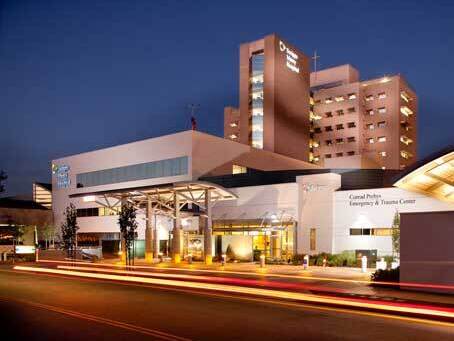
4077 Fifth Avenue
San Diego, CA 92103
Find a nephrologist
Related news
2026 Top Doctors in San Diego

Many Scripps Health physicians were named 2026 Top Doctors in San Diego Magazine’s annual Physicians of Exceptional Excellence survey.
Is Creatine Safe for Your Kidneys?

Creatine is generally safe for healthy adults but can affect kidney test results. Learn who should use caution and why.
High Blood Pressure and Chronic Kidney Disease: What to Know (video/podcast)

Learn how hypertension can damage the kidneys over time, who's at risk for chronic kidney disease and how early treatment can help.
What Is Polycystic Kidney Disease (PKD)? (video/podcast)
PKD is a genetic kidney disease that can silently damage kidney function over time. Learn the warning signs and treatment options.
What is Glomerular Disease? (video/podcast)
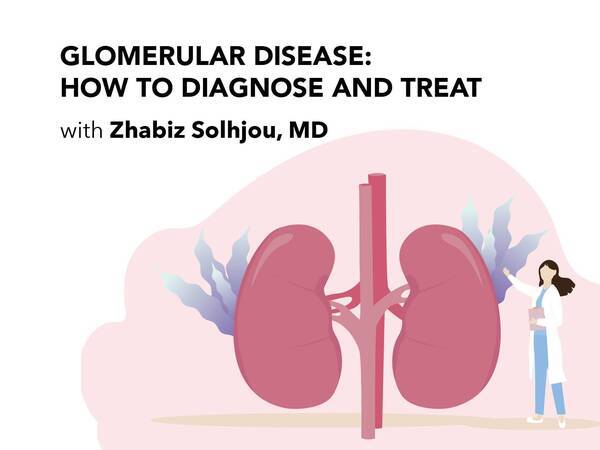
A Scripps nephrologist explains glomerular disease, its symptoms, causes and treatment options, available in San Diego.
Scripps Health Physicians Named 2025 Top Doctors in San Diego

Many Scripps Health physicians were named 2025 Top Doctors in San Diego Magazine’s annual Physicians of Exceptional Excellence survey.